



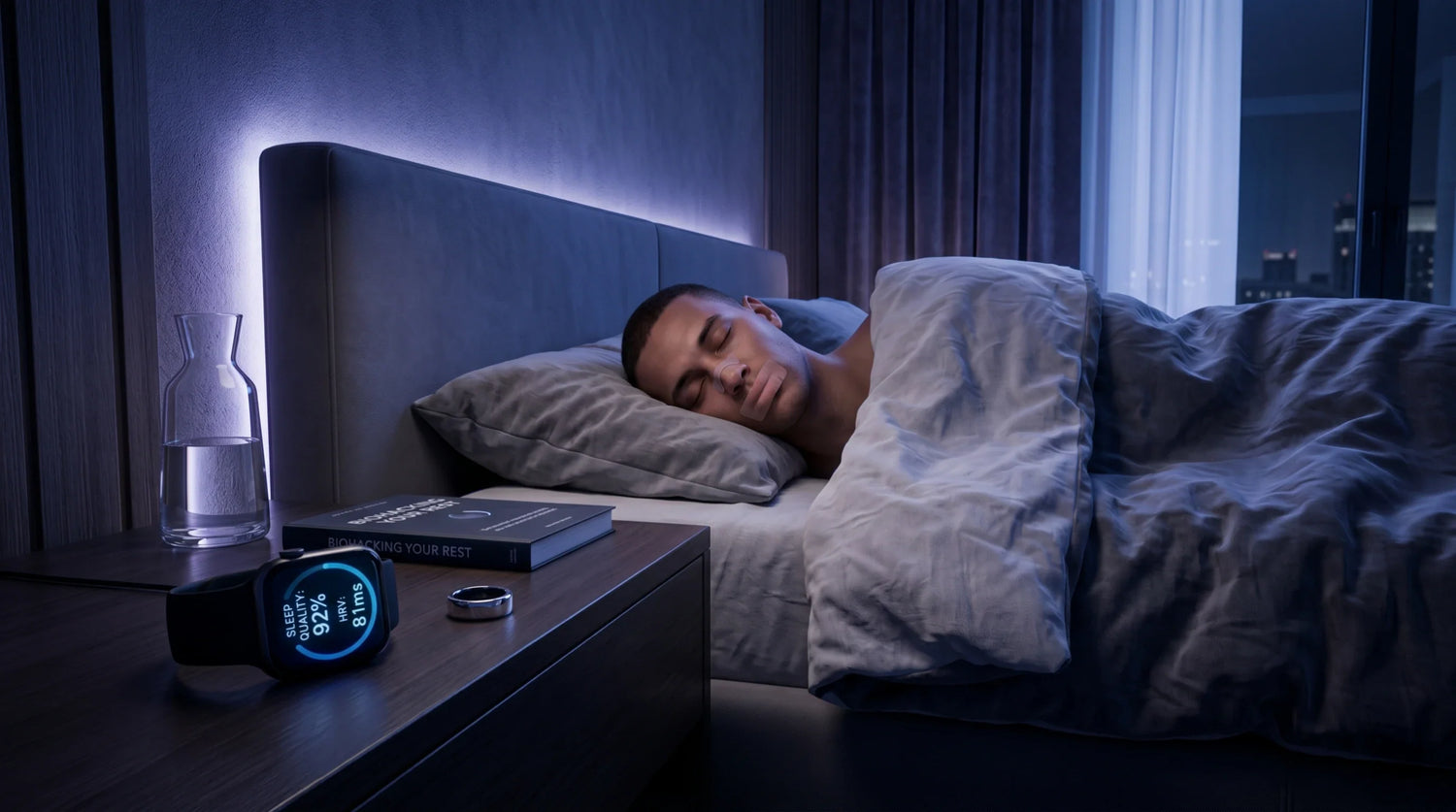
Passas oito horas na cama, prestas atenção ao teu horário de sono e, ainda assim, acordas de manhã a sentir que foste atropelado por um rolo compressor? Não estás sozinho. O problema, geralmente, não é a duração do teu sono, mas sim a má qualidade do sono.
O mau sono não é um destino ao qual te tenhas de resignar. É, muitas vezes, o resultado de uma disfunção biológica: respiração bucal. Quando respiras pela boca à noite, a tua saturação de oxigénio diminui, os teus níveis de stress aumentam e o teu corpo nunca abandona verdadeiramente o modo de alerta. Se queres melhorar a tua qualidade de sono e alcançar uma verdadeira longevidade do sono — ou seja, vitalidade a longo prazo através do sono — deves regressar à respiração nasal.
A base mecânica para uma melhor qualidade de sono
Antes de falarmos sobre suplementos caros ou gadgets de alta tecnologia, precisamos de garantir a base para um sono saudável. O método mais eficaz para combater imediatamente a má qualidade do sono é o fecho mecânico da boca e o alargamento das passagens nasais.
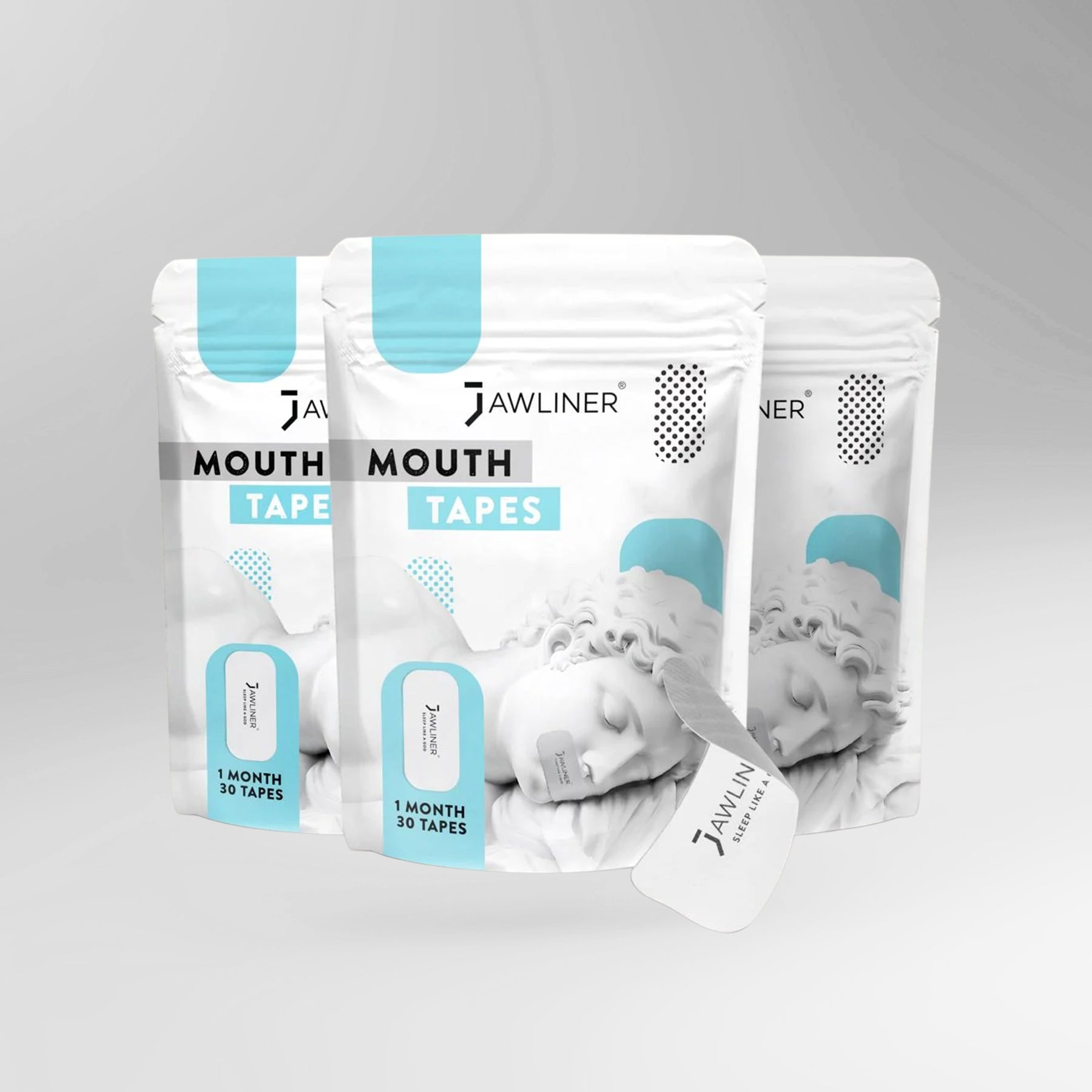
- Jawliner Mouth Tape: A forma mais fácil de melhorar a qualidade do sono. Garante suavemente que a tua boca permanece fechada, fazendo com que respires automaticamente pelo nariz. Isto impede o ressonar e mantém o teu sistema nervoso em modo de recuperação.
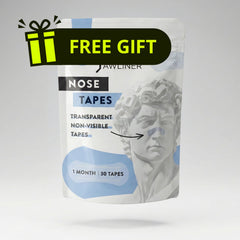
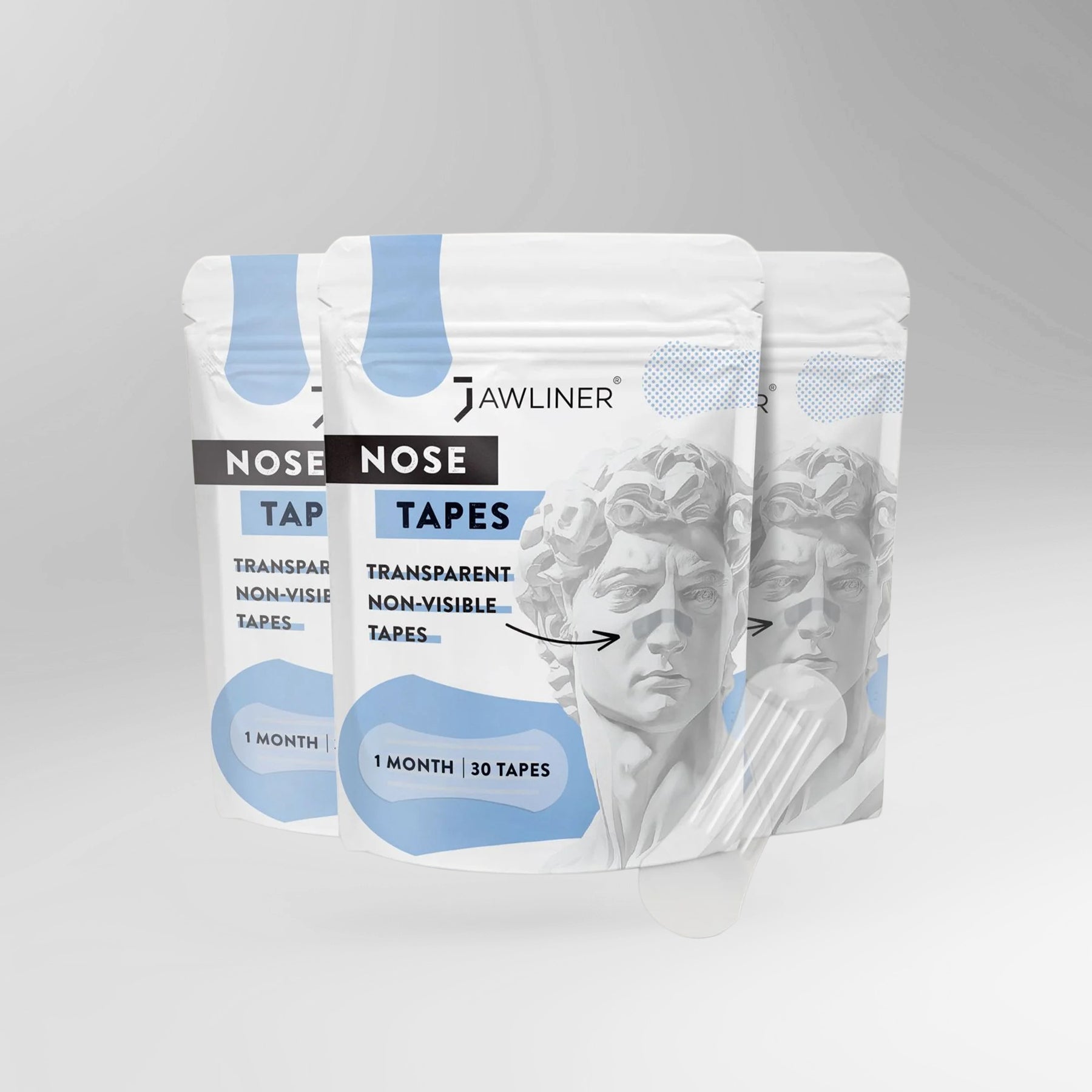
- Jawliner Nose Tape: Alarga as tuas narinas pelo exterior e maximiza o fluxo de ar. Mais oxigénio significa fases de recuperação mais profundas e o fim do mau sono.
Ao combinares estas duas ferramentas, crias as condições físicas necessárias para o teu corpo entrar nas fases profundas e restauradoras que são cruciais para um sono de alta qualidade. Verás resultados iniciais rapidamente se monitorizares o teu sono.
TL;DR: O teu guia compacto para uma melhor qualidade de sono
Aqui está o resumo para todos os que querem finalmente acordar bem despertos amanhã:
- Qualidade > Quantidade: 8 horas na cama não ajudarão se sofres de má qualidade de sono devido à respiração bucal e ao ressonar.
- A respiração nasal é obrigatória: É a chave para um sono saudável, pois otimiza o transporte de oxigénio e acalma o corpo.
- Usa ferramentas: O bundle Jawliner (boca fechada, nariz aberto) é a forma mais rápida de parar mecanicamente o mau sono.
- Monitoriza o progresso: Usa wearables para medir a tua qualidade de sono (VFC & saturação de oxigénio são as métricas mais importantes aqui).
- Estabelece uma rotina: Escuridão, temperaturas frescas e um detox digital antes de dormir ajudam-te a alcançar uma melhor qualidade de sono.
Medir a Qualidade do Sono: Onde Estás Realmente?
Sentir-te descansado é importante, mas os dados não mentem. Para melhorar a tua qualidade de sono, primeiro precisas de saber onde estão as tuas falhas. Hoje em dia, é mais fácil do que nunca medir a tua qualidade de sono. Wearables como o Oura Ring, Whoop ou o Apple Watch fornecem informações detalhadas sobre a tua noite.
Mas a que métricas deves prestar especial atenção se queres maximizar a tua Longevidade do Sono?
- Variabilidade da Frequência Cardíaca (VFC): Este é o marcador padrão ouro para a recuperação do teu sistema nervoso. Uma VFC alta indica que o teu sistema nervoso parassimpático está ativo e o teu corpo está a regenerar-se.
- Saturação de oxigénio (SpO2): Uma métrica crítica. Se a tua saturação diminui à noite, é frequentemente um sinal claro de respiração bucal ou pausas respiratórias. Isto é um grande obstáculo para uma melhor qualidade de sono.
- Frequência cardíaca em repouso: Uma frequência cardíaca baixa em repouso durante o sono sinaliza que o teu coração não está a ter de lutar contra o stress.
Ao monitorizares regularmente a tua qualidade de sono, verás preto no branco como a mudança para a respiração nasal faz com que as tuas métricas disparem. Só podes alcançar uma verdadeira Longevidade do Sono ao tornares a qualidade do teu sono uma prioridade e ao usares os dados para otimizar a tua higiene do sono.
Porque Ocorre a Má Qualidade do Sono (e Como Pará-la)
O mau sono não acontece do nada; é geralmente a consequência lógica de fatores biológicos e ambientais. Se compreendes o que está a sabotar o teu descanso noturno, podes tomar medidas direcionadas para revertê-lo e regressar a um sono saudável.
Aqui estão os três maiores assassinos do sono que causam má qualidade de sono:
1. Respiração Bucal e Microdespertares
Esta é a razão mais subestimada para a má qualidade do sono. Quando respiras pela boca, as tuas membranas mucosas secam e a ingestão de oxigénio torna-se menos eficiente. Isto stressa tanto o teu cérebro que ele te “acorda” repetidamente por breves momentos (microdespertares) sem que sequer notes. Acordas exausto de manhã porque nunca permaneceste nas fases de sono profundo tempo suficiente.
2. Poluição luminosa e calor
O teu corpo precisa de escuridão para produzir melatonina e de uma descida da temperatura corporal central para entrar em modo de sono. Um quarto demasiado quente ou a luz azul dos ecrãs são formas infalíveis de garantir um mau sono. A base para um sono saudável é um quarto fresco (aprox. 18°C) e completamente escuro.
3. O “Plano Noturno” em falta
O teu sistema nervoso não é um interruptor que podes simplesmente ligar. Se consomes cafeína ou trabalhas no teu portátil até à hora de dormir, estás a manter os teus níveis de cortisol artificialmente altos. Sem uma rotina noturna consciente, o teu sistema permanece em “modo de ação”, o que reduz drasticamente a qualidade do sono.
Ao eliminares estes três fatores, crias o ambiente de que o teu corpo precisa para um verdadeiro descanso.
3 dicas concretas para uma melhor qualidade de sono a partir desta noite
Não tens de virar a tua vida completamente do avesso para melhorar a tua qualidade de sono. Frequentemente, são os pequenos ajustes que têm o maior impacto no teu bem-estar na manhã seguinte. Aqui está o teu plano de ação:
Dica 1: A Estratégia “Boca Fechada, Nariz Aberto”
Como já aprendemos, a respiração nasal é o padrão ouro absoluto para um sono saudável. Experimenta esta noite: Aplica uma Jawliner Mouth Tape e usa também a Fita Nasal.
- Porquê? Estás a forçar mecanicamente o teu sistema a permanecer na fase restauradora. É a forma mais rápida de eliminar a má qualidade do sono causada pelo ressonar ou boca seca.
Dica 2: Magnésio e detox digital
Uma rotina noturna direcionada ajuda a programar o teu sistema nervoso para o descanso.
- Suplementação: Magnésio de alta qualidade (ex: bisglicinato) relaxa os músculos e ajuda o cérebro a desacelerar.
- Pausa da luz azul: Guarda o teu telemóvel pelo menos 60 minutos antes de dormir. Isto sinaliza ao teu corpo que é hora da melatonina. Este é um pré-requisito absoluto para uma melhor qualidade de sono.
Dica 3: O ritmo circadiano
O teu corpo adora previsibilidade. Tenta ir para a cama e acordar à mesma hora, mesmo aos fins de semana.
- O efeito: Quando estabilizas o teu ritmo, o teu corpo sabe exatamente quando deve diminuir a tua frequência cardíaca. Isto facilita o adormecer e garante que podes melhorar a tua qualidade de sono sem teres de investir tempo extra.
Conclusão: Uma melhor qualidade de sono não é coincidência, mas uma escolha
O mau sono não tem de ser o teu companheiro constante. Como vimos, a qualidade do sono é o resultado das condições biológicas certas e de hábitos consistentes. Se queres melhorar a tua qualidade de sono, deves parar de deixar o teu descanso noturno ao acaso.
Ao mudares para a respiração nasal usando a Fita Bucal e a Fita Nasal, estás a abordar a causa raiz. Combinado com a monitorização objetiva para medir a tua qualidade de sono, crias um sistema que não só te dá mais energia durante o dia, mas também garante a tua longevidade do sono a longo prazo. Um sono saudável é a base para tudo. 👉 Otimiza a tua noite agora com o Jawliner Sleep Bundle!
Perguntas Frequentes Sobre a Qualidade do Sono
Ainda tens perguntas? Para garantir que não tens de contar carneirinhos esta noite, reunimos um resumo rápido e conciso das respostas mais importantes para o teu próximo upgrade de sono.


