




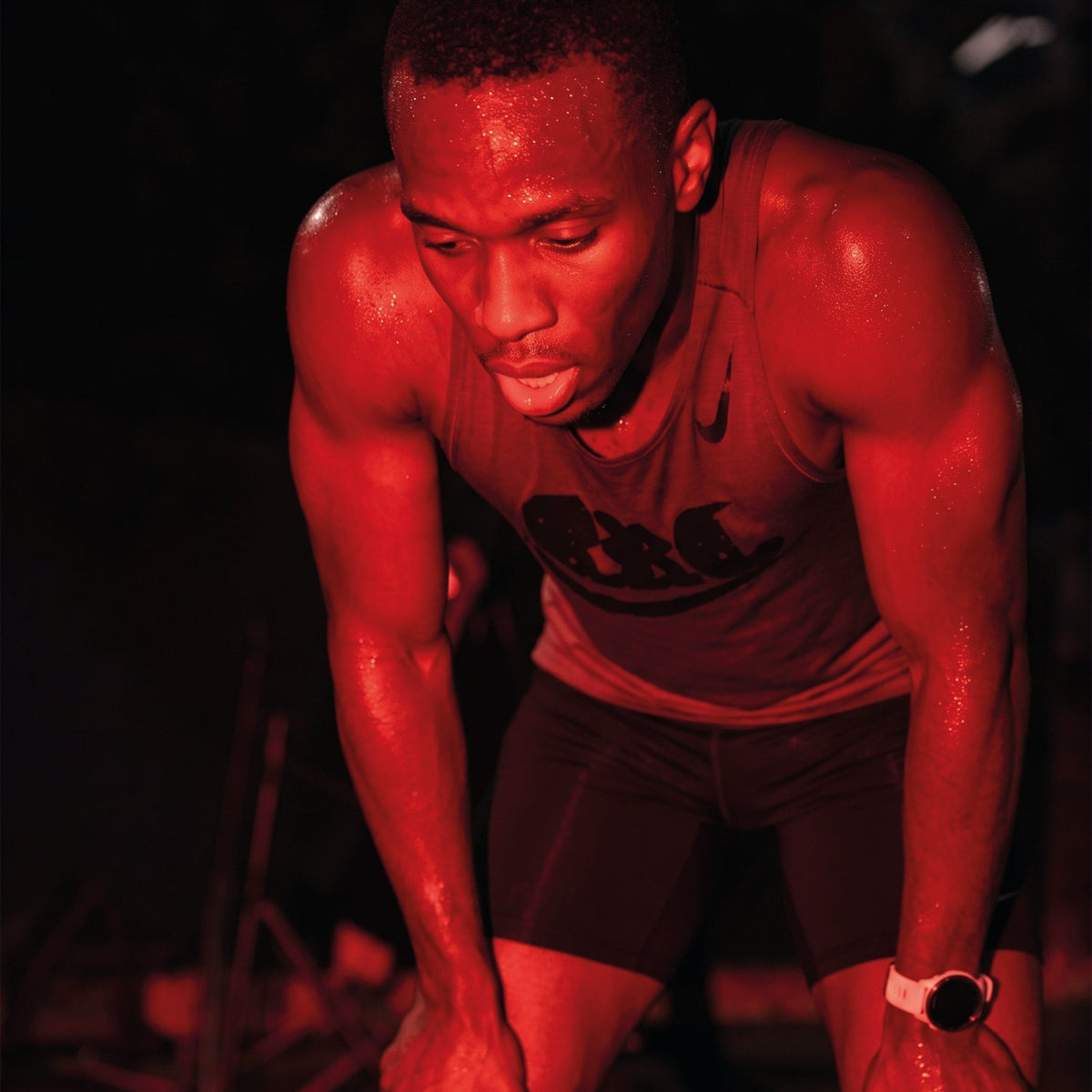
You’ve just crushed a really tough session, the pump is still there – and an hour later you’re slumped on the couch as if someone pulled your plug. If you often feel tired after a workout, that’s not a bad sign in itself. It’s your body telling you: “I’ve done the work, now I’m rebuilding.”
But not all tiredness is the same. There’s the good kind of exhaustion that makes you stronger, and the kind that holds you back. In this article, you’ll find out why you’re wiped out after training, when you should take a closer look and which simple hacks take your recovery to the next level.
TL;DR: The Key Points in 30 Seconds
- Feeling tired after a workout is normal: your energy stores are empty, your nervous system is powering down and your muscles are repairing themselves
- If the tiredness lasts for days, your sleep, nutrition or training volume is often off
- The biggest lever for recovery after exercise is deep, restorative sleep – and that starts with free nasal breathing
- Use caffeine strategically before training, not right before bed
Why Are You Tired After a Workout? The 5 Most Common Causes
When you feel tired after a workout, several processes are usually at work at the same time. Here are the most important ones:
- Empty energy stores: During training, your body burns glycogen, the sugar stored in your muscles and liver. Once those stores are empty, you feel drained.
- Your nervous system switches gears: During your workout, your sympathetic nervous system runs at full throttle (fight-or-flight mode). Afterwards, the parasympathetic system takes over – your “rest and digest” mode. This switch often feels like a sudden energy slump.
- Fluid and electrolyte loss: Losing just one to two percent of your body water can make you noticeably more sluggish and less focused.
- Micro-tears in your muscles: Intense training creates tiny tears in your muscle fibers. Repairing them costs energy – and that’s exactly how you build muscle.
- Hormonal response: After hard sessions, your cortisol levels are elevated. That’s fine in the short term, but if they stay too high for too long, they get in the way of sleep and recovery.
Exhausted After Weight Training: Why Lifting Wears You Out So Much
Many people feel especially exhausted after weight training, often more so than after an easy jog. The reason: heavy compound lifts like squats, deadlifts and bench presses don’t just challenge your muscles – they put a big load on your central nervous system. Every heavy set is a stress signal for your body.
On top of that, many people unconsciously clench their teeth and hold their breath during heavy lifts. That increases tension throughout your whole body and costs extra energy. A little trick from the gym: with a hard chewing gum like JAWLINER® Chewing Gum Hard + Caffeine, you have something between your teeth that you can bite down on safely while training – and you get an energy kick as a pre-workout at the same time.

Tired the Day After a Workout: Normal or a Warning Sign?
You probably know that feeling of being tired the day after a workout mainly after leg day or when starting a new training plan. Sore muscles and a slightly heavy head the next day are normal – your body is right in the middle of its repair phase.
You should take a closer look if you notice these warning signs:
- You’re exhausted for several days in a row, even though you’ve slept enough.
- Your performance in training stalls or drops over several weeks.
- You have trouble falling asleep or wake up frequently at night.
- Your resting heart rate is elevated or your HRV is consistently low.
- You’ve lost your drive to train, even though you’re usually motivated.
If several of these apply to you, it may point to overtraining or a recovery deficit. If the tiredness persists despite taking a break, get it checked out by a doctor – an iron or vitamin D deficiency could also be behind it.
Always Tired – Should You Still Work Out or Take a Break?
You’re always tired and wondering whether working out is the right thing right now? It depends. In the long run, regular exercise improves your energy, your sleep quality and your stress resilience. But if you’re already exhausted going into training and completely spent afterwards, that’s a sign the balance between training load and recovery is off.
Our rule of thumb: If you feel better after warming up, train – maybe just a little lighter. If you feel worse, treat yourself to an active rest day with a walk, mobility work or stretching.
Exhaustion After Exercise: These Mistakes Make It Worse
Exhaustion after exercise is often self-inflicted. Avoid these common mistakes:
- Not eating enough: If you don’t eat after training, your energy stores stay empty.
- Not drinking enough: Water and electrolytes are a must, especially after sweaty sessions.
- Caffeine too late: Strong coffee or high-dose pre-workouts in the evening can sabotage your sleep.
- No rest days: Muscles don’t grow during training, they grow during rest.
- Mouth breathing during sleep: It makes your sleep shallower and more restless – and you’ll feel it the next morning.
Recovery After Exercise: 6 Hacks to Bounce Back Faster
The good news: you can actively speed up your recovery after exercise. With these hacks, you’ll be ready for your next session sooner:
1. Sleep Is Your Most Powerful Recovery Tool
During deep sleep, your body releases most of its growth hormone – this is when your muscles are repaired and rebuilt. Aim for seven to nine hours and stick to regular bedtimes.
2. Breathe Through Your Nose – Even at Night
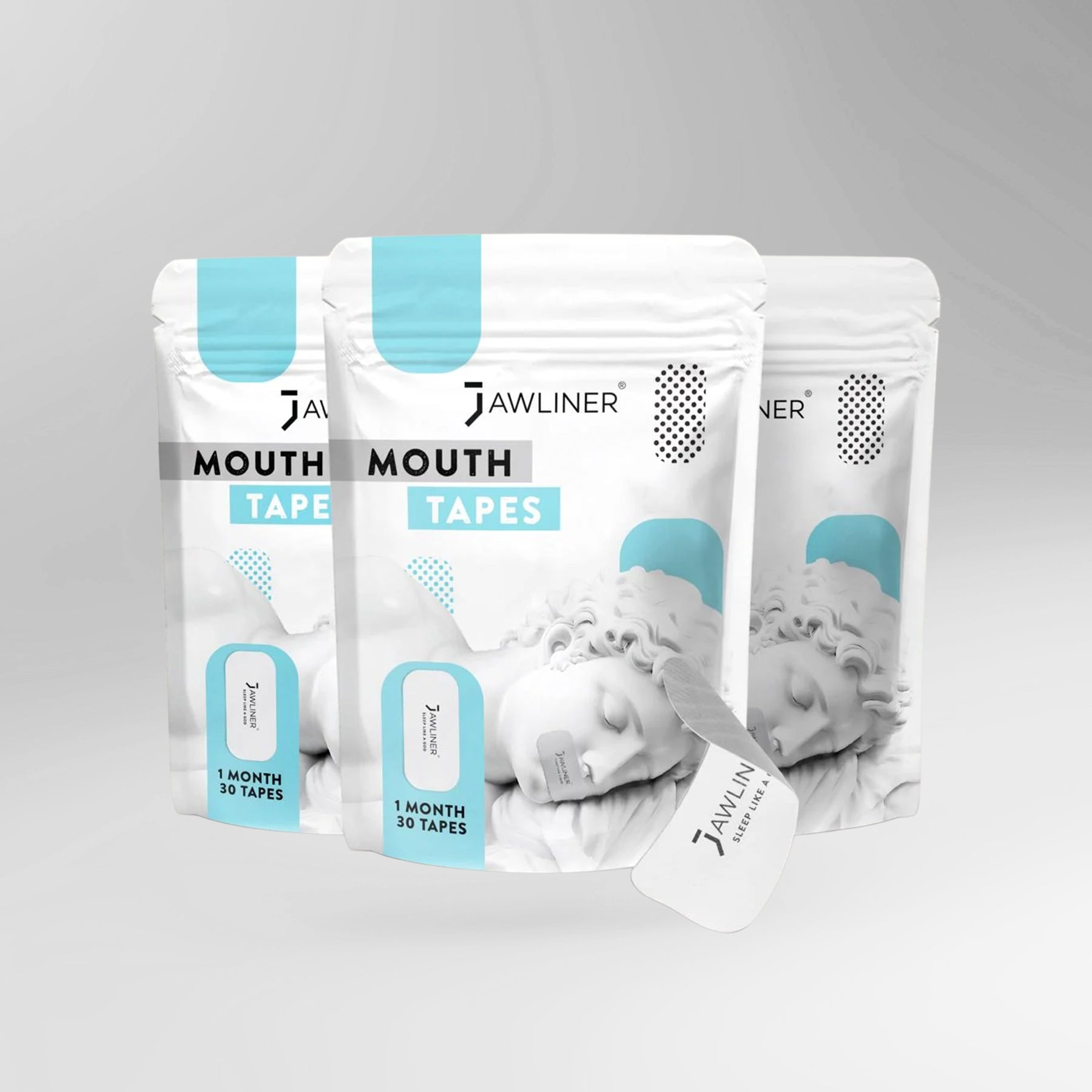
Mouth breathing during sleep is a stress signal for your nervous system. Nasal breathing, on the other hand, activates your parasympathetic system – your recovery mode. JAWLINER® Anti Snoring Mouth Tape gently keeps your mouth closed so you breathe through your nose all night long. The result: deeper sleep, and you wake up feeling more rested.
3. Open Up Your Nose – in Bed and at the Gym
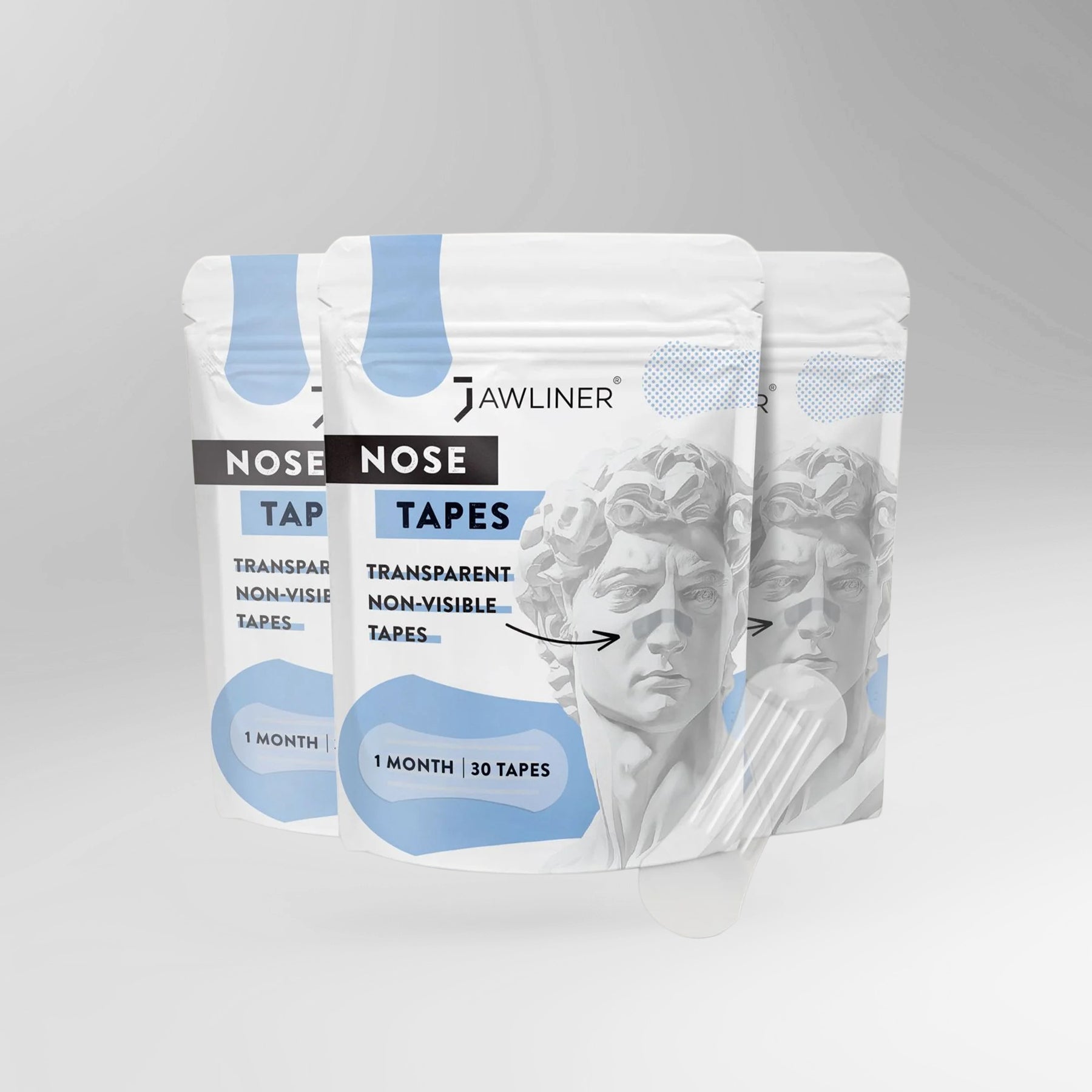
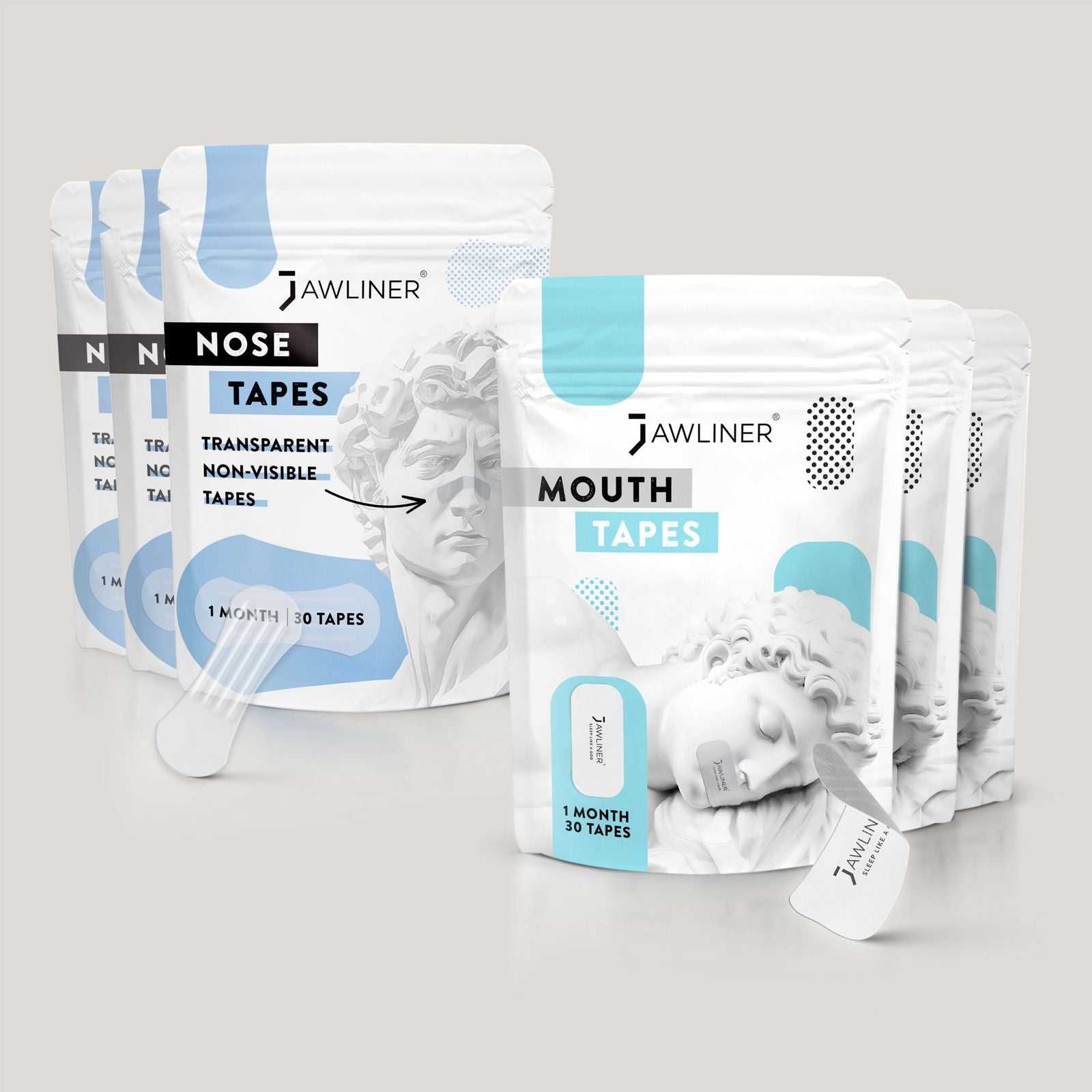
If your nose is blocked, even the best mouth tape won’t help much. JAWLINER® Nose Tape gently lifts the sides of your nose and keeps your nasal airways open – for better sleep at night and steadier breathing during training. Our tip: Combine both in the JAWLINER® Tape Bundle for the complete nasal breathing setup.
4. Refuel Properly
Within one to two hours after training, you should eat a meal with protein and carbohydrates. Examples: rice with chicken, oats with skyr or a protein shake with a banana.
5. Use Caffeine Wisely
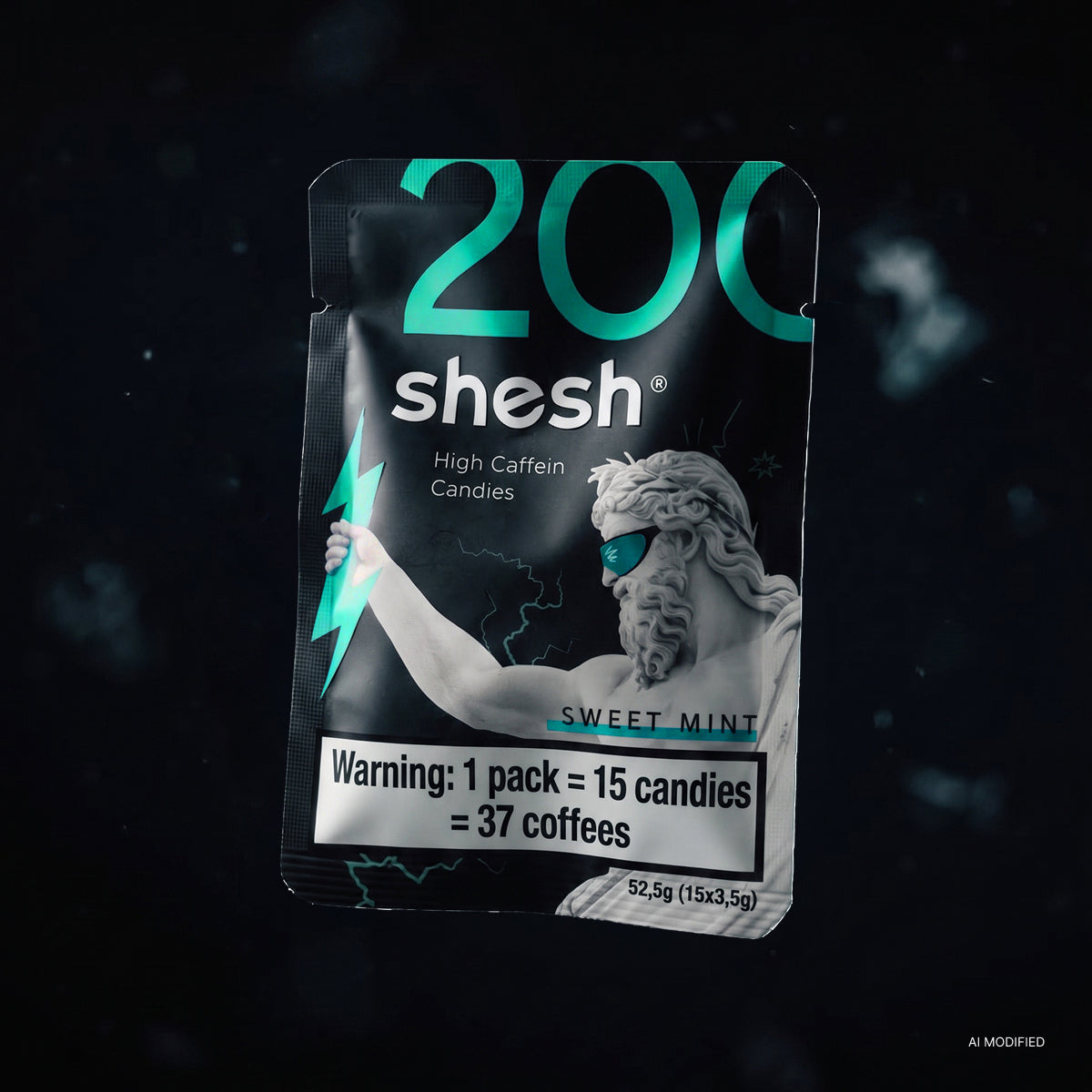
Caffeine before training can make you more alert and boost your performance. Timing is everything: for morning and midday workouts, you can go for a higher dose, for example with SHESH 200 mg Caffeine Candy. If you train in the evening, stick to a lower dose like JAWLINER® Chewing Gum Hard + Caffeine with 40 mg per piece, so your sleep doesn’t suffer. You’ll find all our energy products in our caffeine sweets collection.
6. Keep Moving
Active recovery such as walking, easy cycling or mobility exercises boosts circulation and helps your muscles recover faster. Lying around all day often feels good, but it actually slows your comeback.
Conclusion: Tired After a Workout? Use the Downtime to Make Progress
If you’re tired after a workout, it usually means one thing: you’ve put in the work. What matters is what you do next. With enough sleep, free nasal breathing, the right nutrition and smart caffeine timing, you’ll get the most out of every session and start the next one fully rested.
Ready for better recovery? Start tonight with the JAWLINER® Tape Bundle and feel the difference the next time you wake up.


