





You're close to the finish line, the exertion is reaching its peak, and your lungs are burning. What do you do? Most people instinctively open their mouths and gasp for air. But this is exactly where the mistake lies that sabotages your fitness. An athlete's true performance is not determined by how much oxygen they inhale, but by how much of it actually reaches their muscles and cells.
This is where the Bohr effect comes into play. In this article, you will learn what this physiological phenomenon is and how you can control your breathing to maximize your CO2 tolerance.
The hardware upgrade for the Bohr effect in sports
Before we dive deeper into the chemistry behind myoglobin and oxygen partial pressure, you need to mechanically control your airways. If you want to control your breathing, you need to use your nose as your primary tool.
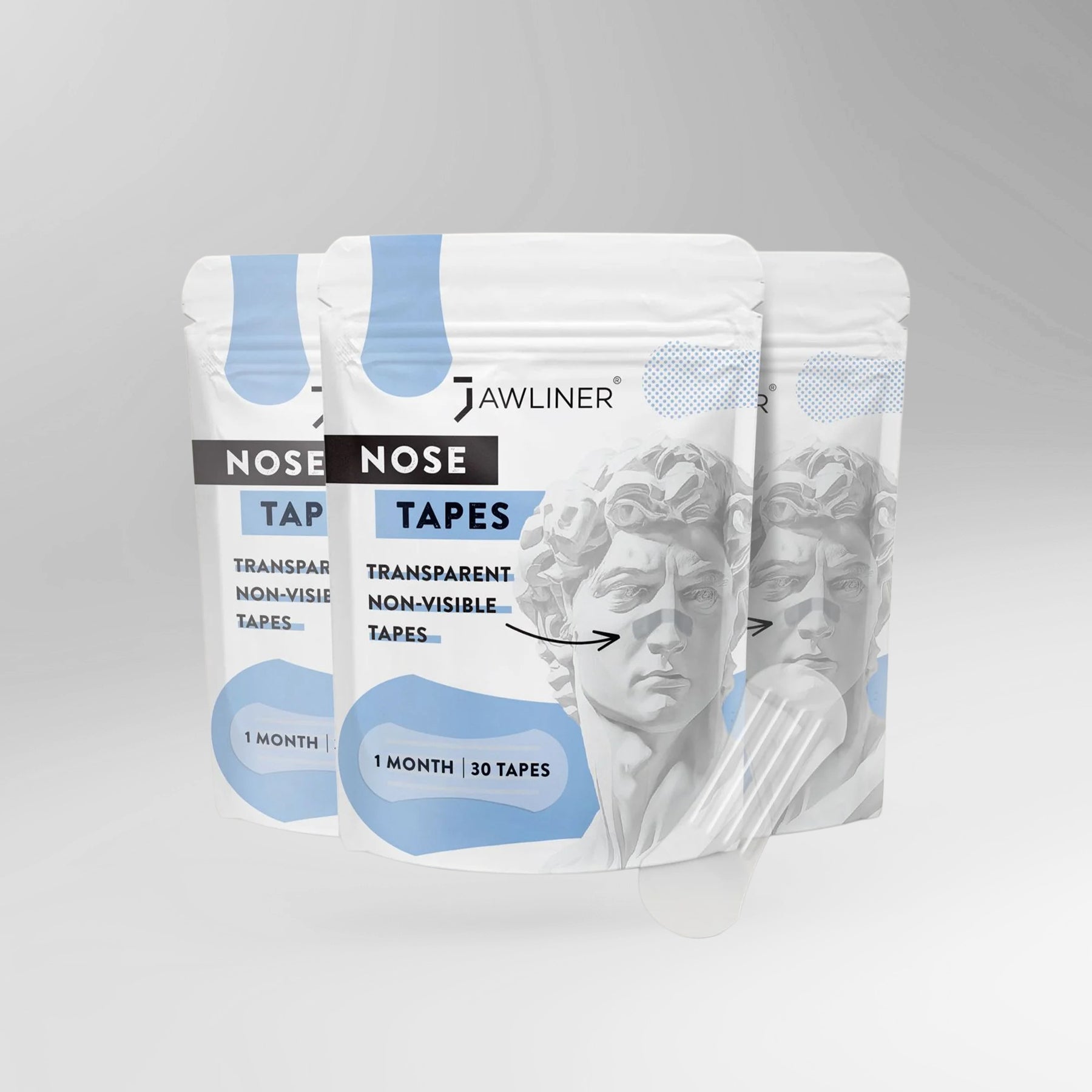
- Jawliner Nose Tape: It maximizes airflow through the nasal passages. This is essential for maintaining nasal breathing and controlling the breathing reflex even under high stress.
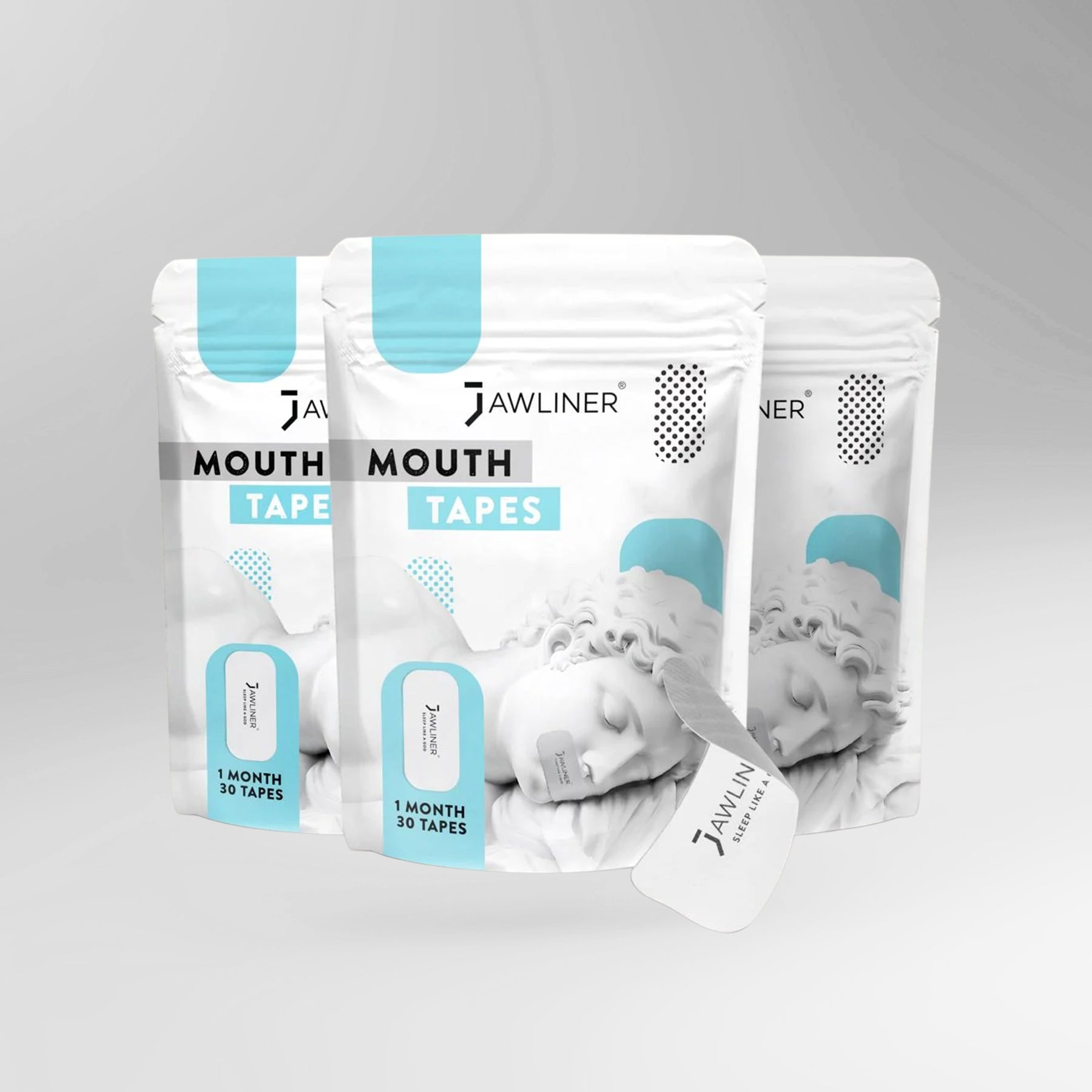
- Jawliner Mouth Tape: The ultimate tool for training your CO₂ tolerance. It seals your mouth and forces your body to get used to a higher CO₂ content: whether during easy runs or during nighttime regeneration.
These tools increase your ability to retain carbon dioxide in your system, which releases oxygen binding in the blood and massively increases the performance of your muscles.
TL;DR: Everything you need to know about the Bohr effect
For all high performers who want to get straight into training, here's the summary:
- The Bohr effect: Named after Christian Bohr, it states that muscles and organs only receive oxygen when there is enough CO₂ in the blood.
- The paradox: Breathing too much (through the mouth) lowers the CO₂ content and “suffocates” your cells despite high oxygen saturation.
- CO₂ tolerance: A high BOLT value (over 30 seconds) is the goal for every athlete. It signals that your body is using oxygen efficiently.
- Myoglobin: In the muscles, the same effect ensures better storage and rapid release of energy.
- The solution: Train consistent nasal breathing. Jawliner Nose & Mouth Tapes are your most important tools for automating breath control in everyday life and during sleep.
What is the Bohr effect? The chemistry of your fitness

This physiological phenomenon, discovered at the beginning of the 20th century by Danish physiologist Christian Bohr, describes a fascinating phenomenon in our body: the release of oxygen from the blood into the tissue is directly dependent on the CO₂ content.
You could say that CO₂ is the door opener for oxygen.
- The mechanism: When you exercise, your muscles produce carbon dioxide (CO₂). A higher concentration of CO₂ leads to a slight decrease in the pH value in the blood (it becomes more acidic).
- The reaction: This acidic environment changes the structure of hemoglobin (the red blood cells). The affinity—i.e., the binding force—between hemoglobin and oxygen decreases.
- The result: The oxygen is “released” and goes directly into the cells, where it is needed for energy production.
The problem in everyday life: When you breathe rapidly through your mouth, you exhale too much CO₂. Without this necessary CO₂ content, the oxygen remains firmly attached to the hemoglobin. Your organs and muscles do not receive enough “fuel” despite high oxygen saturation in the blood. Real breath control therefore means keeping carbon dioxide in the system in order to optimize the oxygen supply.
Myoglobin and the Bohr effect: the turbocharger for your muscles
While hemoglobin in the blood is responsible for transport, the protein myoglobin plays a crucial role directly in the tissue. It acts as a local oxygen store in your muscles.
The myoglobin-Bohr effect (or the physiological reaction in the muscle) is your ace in the hole for maximum performance:
- Oxygen storage: Myoglobin has an even higher affinity for oxygen than hemoglobin. It literally sucks oxygen out of the blood to keep it available for intense exercise.
- Release: In order for this stored oxygen to be burned in the mitochondria (the powerhouses of your cells), it needs to be stimulated again by CO₂ and a falling pH value.
- Efficiency: The better your CO₂ tolerance, the more effectively your body can control the switch between oxygen binding and rapid release.
What this means for you: Optimized breathing not only ensures better transport in the blood, but also replenishes your local muscle stores more efficiently. This is the key to faster recovery and more power during sprints or heavy lifts. Without proper breath control, this internal turbo storage remains unused.
Test your CO₂ tolerance: The BOLT test

What is your actual CO₂ tolerance? You don't need to take an expensive lab test to find out. The Body Oxygen Level Test (BOLT), made famous by Patrick McKeown's breathing school, is a precise indicator of your current fitness level.
It measures the amount of time your body can pause after a normal exhalation before your brain signals you to take your next breath.
How to perform the BOLT test:
- Sit upright and relax for 2–3 minutes.
- Breathe in and out calmly and silently through your nose.
- After exhaling, hold your nose and start the timer.
- Stop the timer at the first clear sign of a breathing urge (e.g., an involuntary swallow or a twitch of the diaphragm).
Important: It is not about how long you can hold your breath by force, but when your body gives the first impulse.
Evaluating your BOLT value:
- Less than 20 seconds: Your CO₂ tolerance is low. You are probably breathing too much (hyperventilating), which severely limits your performance in sports.
- 20 to 30 seconds: A solid average, but there is still a lot of room for improvement for ambitious athletes.
- Over 35 seconds: Your body handles CO₂ efficiently, and the Bohr effect works optimally for your oxygen supply.
A low BOLT value is often the cause of rapid exhaustion and unnecessary fear of shortness of breath during exercise. The good news is that you can increase this value by consistently breathing through your nose and using mouth tapes.
Training tips: How to increase your CO₂ tolerance

Increasing your BOLT value does not happen overnight, but through consistent breath control. When you learn to control your breathing, you shift the threshold at which your brain triggers panic (the breathing reflex).
Here are the most effective techniques for athletes:
1. Strict nasal breathing in everyday life and training
The easiest way to achieve higher tolerance: close your mouth. Breathe consistently through your nose, even during moderate exertion (e.g., jogging or strength training).
- The effect: The nose provides natural resistance, which stabilizes the CO₂ content in the blood and improves the oxygen supply through the Bohr effect. If it becomes too strenuous, reduce your pace instead of opening your mouth.
2. Reduced breathing
Sit down in a relaxed position and consciously try to reduce your breathing volume. Breathe so gently and shallowly through your nose that you feel a slight hunger for air.
- The goal: Maintain this state for 5 to 10 minutes. This teaches your body that a slight increase in CO₂ concentration is not dangerous. This lowers your overall respiratory rate.
3. Walking while holding your breath (hypoxic training)
These breathing techniques are ideal for testing your CO₂ tolerance during exercise:
- Breathe in and out normally through your nose.
- After exhaling, hold your nose closed and walk as many steps as possible (until you feel a moderate urge to breathe).
- Let go and calm your breathing again within 2 to 3 breaths (do not gasp for air!).
This procedure simulates the environment in the muscles during high-intensity exercise and promotes regeneration and the efficiency of myoglobin and hemoglobin.
4. The role of Jawliner tapes in training
Continuity is crucial for improving your fitness level in the long term. Use the Mouth Tape especially during regenerative sessions or yoga to ensure that no air escapes uncontrollably. The Nose Tape ensures that your airways remain open and your lungs are optimally ventilated.
Conclusion: Maximum performance with the Bohr effect
More than 100 years ago, Danish physiologist Christian Bohr showed us that carbon dioxide is not just a waste product, but the chemical key to energy.
Those who learn to control their breathing and increase their CO₂ tolerance change their entire biology: the pH value is optimally regulated, the affinity of the blood to oxygen binding becomes more flexible, and regeneration after strenuous exercise is accelerated.
Stop starving your body through mouth breathing and hyperventilation. Use the knowledge from this article and give your airways additional support with Jawliner Nose & Mouth Tapes!

Frequently asked questions about the Bohr effect and CO₂ tolerance
Breath control is a central component of modern sleep medicine and performance physiology. Here we answer in-depth questions for athletes and health-conscious people.


