




Do you wear an Oura ring, a Whoop band, or an Apple Watch to track your sleep? Then you know the feeling: You stare at your app in the morning and wonder why your HRV values are so low, even though you went to bed early.
The truth is, tracking sleep alone won't get you anywhere. The bare numbers are just the dashboard. The real work takes place in your physiology. If you want to reduce your stress levels and maximize your time in REM sleep, you need to get to the root of nighttime recovery: your breathing. In this article, you'll learn how sleep and breathing are really connected.
The hardware hack for your sleep metrics
Before we look at heart rate variability in detail, let's optimize your “hardware.” To see real improvements in sleep tracking, you need to eliminate mechanical interference factors.
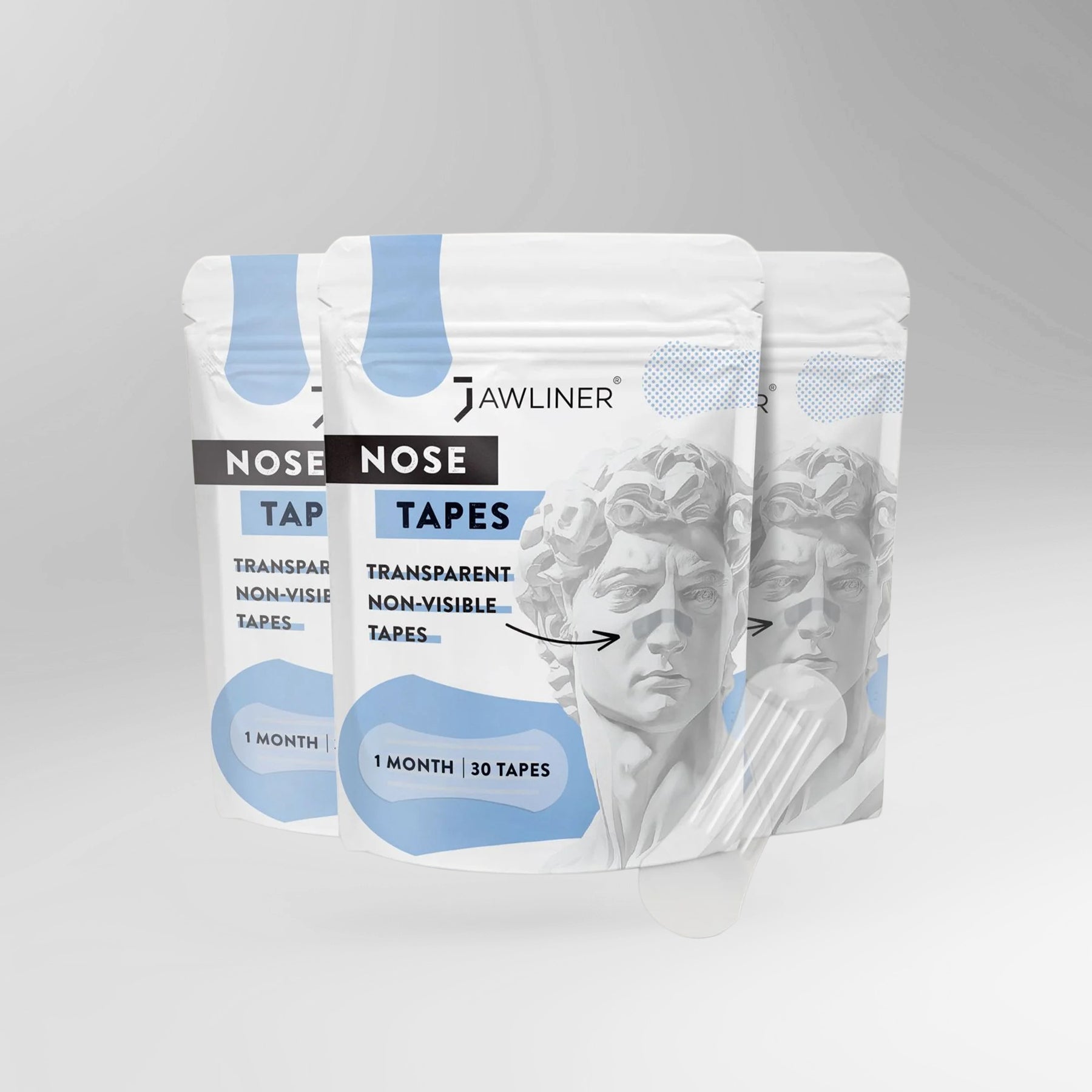
- Jawliner Nose Tape: It widens your nasal passages and lowers the resistance of your airways. This ensures a calmer breathing rate during sleep.
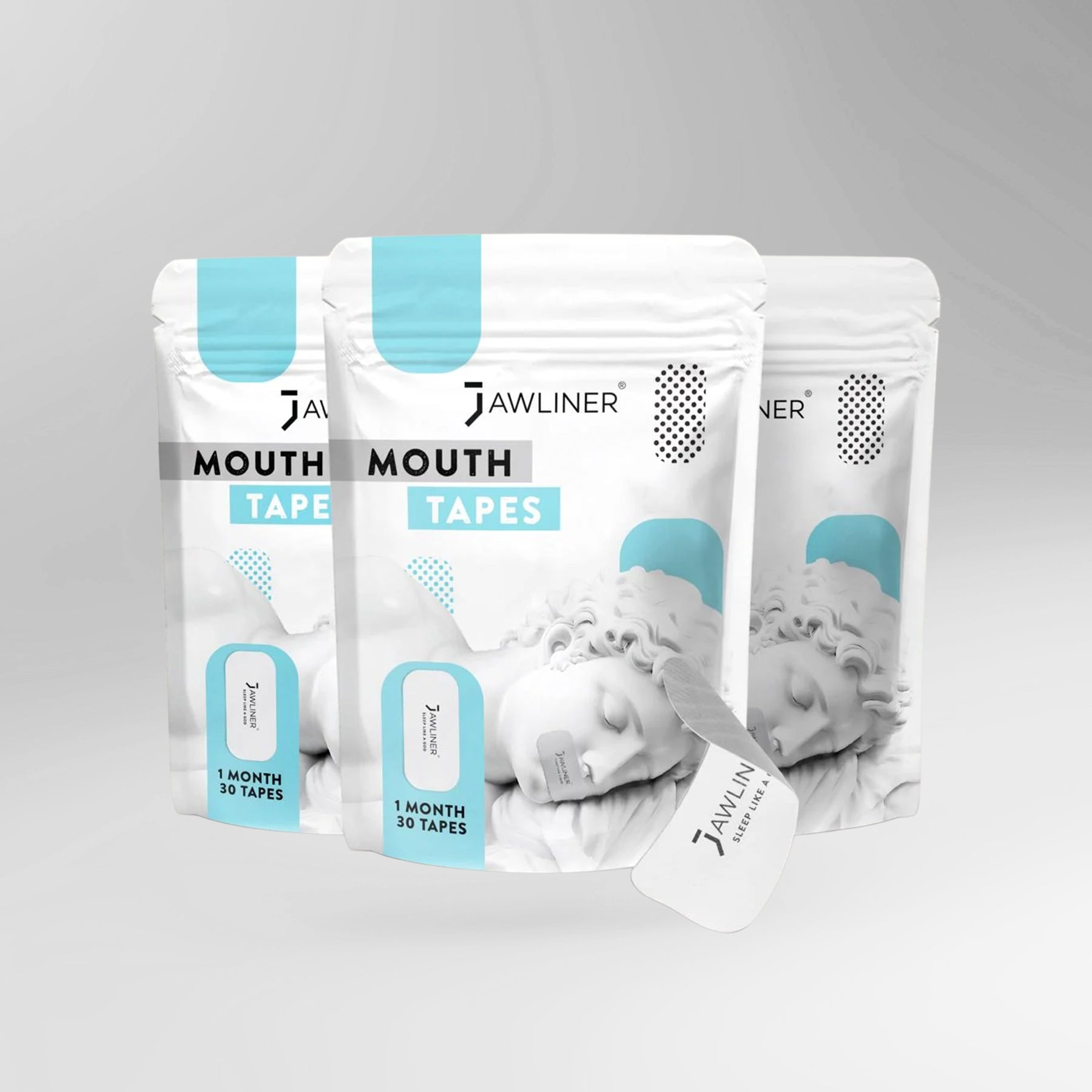
- Jawliner Mouth Tape: The game changer for your data. It prevents mouth breathing and forces your body into parasympathetic mode (resting state).
The result: You will see fewer “wake phases” in your app and notice a significantly more stable heart rate during sleep.
TL;DR: Everything you need to know about sleep tracking, HRV, and REM sleep at a glance
- HRV boost: Heart rate variability only increases when the parasympathetic nervous system is active. Nasal breathing is the most direct way to achieve this.
- Ensure REM sleep: Avoid mouth breathing to stop micro-arousals. This is the only way to complete each sleep cycle and regenerate your brain.
- Lower your heart rate: A low heart rate during sleep is a sign of deep rest. Nasal breathing measurably relieves your heart.
- Recognize warning signs: Pay attention to a high respiratory rate during sleep and low HRV—your body is literally begging for better sleep quality.
- The solution: Use tapes to force nasal breathing and immediately improve your sleep tracking results.
Heart rate variability (HRV) & stress levels: The language of your nervous system
When you track your sleep, heart rate variability (HRV) is probably the value you pay the most attention to. But what do these HRV values actually mean?
Simply explained: Your heart does not beat like a metronome. The time intervals between two heartbeats vary constantly. High variability indicates that your body is responding flexibly to stress and is in “rest and digest” mode. A low interval, on the other hand, means that your system is under high tension.
Poor HRV values despite long sleep duration? This may be due to impaired oxygen delivery in the blood. Learn about the phenomenon behind the Bohr effect.
Why nasal breathing lowers your stress levels
Mouth breathing during sleep is an alarm signal for your nervous system. It signals danger to the brain (sympathetic nervous system activation), which unnecessarily raises your heart rate during sleep and sends your HRV values plummeting.
- Parasympathetic nervous system activation: Nasal breathing stimulates the vagus nerve. This is the fastest way to lower your stress levels.
- Better data: Controlled breathing stabilizes your heart rate during sleep. The next morning, your tracker will show you higher resilience and a significantly lower recovery value.
If you really want to sleep better and maximize your recovery, you need to understand that HRV is the end result of clean nighttime physiology. Without nasal breathing, your stress levels remain artificially high even in bed.

What is REM sleep and why does mouth breathing kill it?
Many people who track their sleep find that although they spend enough hours in bed, they spend very little time in what is known as REM sleep (rapid eye movement). But what is REM sleep actually?
It is the phase in which your brain processes emotional experiences, stores knowledge, and does the “mental garbage collection.” Without sufficient REM sleep, you wake up irritable, unfocused, and mentally exhausted. REM sleep occurs mainly in the 4th and 5th cycles, i.e., between the 5th and 7th hour of sleep.
Complete physical and mental recovery usually requires five full sleep cycles (falling asleep phase, light sleep, deep sleep, and REM sleep) with sufficient deep and REM sleep. Your body goes through these cycles 4-6 times per night.
The problem: unstable breathing rate during sleep
Mouth breathing is often associated with snoring and shallow chest breathing. This leads to an irregular breathing rate during sleep, which puts your body in a state of constant micro-alertness.
- Sleep phase interruption: Every time you gasp for air through your mouth, your brain registers a lack of oxygen or a buildup of CO2. The result: you are briefly “kicked awake.” These micro-arousals (waking reactions) pull you out of your sleep cycle before you can reach the deep sleep phases or the important REM sleep.
- The solution: Nasal breathing acts as an anchor for your brain. It keeps carbon dioxide levels stable and ensures a calm, undisturbed transition between the individual phases.
If you really want to optimize your sleep, you need to make sure that you not only spend enough time in bed, but also that your sleep cycle is not interrupted by mechanical breathing errors.
Health effects of REM sleep deprivation
REM sleep is crucial for mental health and emotional recovery. A lack of REM sleep can lead to an increased risk of anxiety, worry, and depression. In addition, restless REM sleep behaviors can be indicative of serious medical conditions.
4 warning signs that your body is begging for more sleep
Your tracker is like an early warning system. When you track your sleep, you should pay attention to more than just the total duration. Your body sends subtle signals when the quality is not right. Pay attention to these four indicators:
1. Declining HRV values despite rest periods
Does your heart rate variability remain unusually low for several days, even though you went to bed early? This is your nervous system crying out for real rest. It shows that your stress levels are not decreasing at night. This is often a direct result of mouth breathing at night.
2. An excessively high heart rate during sleep
Normally, your pulse should drop significantly at night. However, if your heart rate during sleep remains constantly high (or only drops shortly before you wake up), this means your heart is working hard. Your body cannot switch to regeneration mode because it is struggling with the wrong breathing technique.
3. A massive deficit in REM sleep
Do you wake up in the morning feeling mentally or emotionally unstable? Your tracker will probably show you that you spent very little time in REM sleep. This is one of the clearest warning signs: your brain was unable to process the day's data.
4. An increased breathing rate during sleep
A normal breathing rate is around 12 to 15 breaths per minute. If this value increases permanently, it is a sign of stress or oxygen deficiency. If you want to track your sleep, you should monitor this value closely, as it is often the first indication that you are unconsciously hyperventilating through your mouth at night.
If your tracker shows you these 4 warning signs of sleep deprivation, you should immediately review your sleep hygiene rules.
Jawliner tip: If you see these signals in your app, it's time for the “Jawliner setup.” With Nose Tape and Mouth Tape, you can force your system back into a state of calm and usually see your stress levels drop and your HRV values rise the very next night. With our Tape Bundle, you'll be perfectly equipped.

Tracking sleep: Go from data collector to real biohacker
Tracking sleep is the first step, but optimizing heart rate variability and REM sleep is the real goal. The data in your app is only as good as your nightly behavior. If you ignore the 4 warning signs your body uses to beg for more sleep and continue to breathe through your mouth, you are wasting valuable potential for your health and performance.
Nasal breathing is the physiological switch to lower your stress levels and put your nervous system into recovery mode. With the right tools—Jawliner Mouth Tape and Nose Tape—you can ensure that your breathing rate remains stable during sleep and your heart works efficiently.
Stop wondering about poor HRV values. Take control of your physiology and watch your sleep scores go through the roof.
👉 Maximize your sleep data with the Jawliner Bundle of Mouth Tape & Nose Tape!
Frequently asked questions about sleep tracking
When you track your sleep, you often encounter limitations that software alone cannot explain. Here are the answers to common questions about optimizing your heart rate variability and sleep physiology.


