





Coffee in the morning, an energy drink before training, a cola in the afternoon – and at night you’re lying awake wondering why. Caffeine effects don’t work like an on/off switch. They build up, peak and then fade over many hours. How quickly that happens depends on your body, the dose and even the form in which you take your caffeine.
TL;DR: Caffeine Effects at a Glance
- You’ll notice caffeine after about 10–15 minutes, and blood levels peak at 30–60 minutes
- The caffeine half-life in healthy adults averages around 5 hours – with big individual differences (roughly 2–10 hours)
- Caffeine metabolism happens almost entirely in the liver (via the enzyme CYP1A2)
- Up to 400 mg per day is considered safe for healthy adults, with a maximum of 200 mg as a single dose
- For good sleep, have your last caffeine 6–8 hours before bedtime
What Is Caffeine and How Do Its Effects Work?
Caffeine is a natural compound from the methylxanthine group. You’ll find it in coffee beans, tea leaves, guarana, yerba mate and cocoa. It’s the most widely consumed psychoactive substance in the world – and for good reason: it makes you more alert, more focused and better able to perform.
The Adenosine Trick: Why You Feel More Awake
Throughout the day, the messenger molecule adenosine builds up in your brain. The more of it binds to its receptors, the more tired you feel. Caffeine has a similar structure to adenosine and sits on exactly these receptors without activating them. The tiredness signals no longer get through.
Important: Caffeine doesn’t erase your tiredness – it just blocks the signal. The adenosine is still there. Once the caffeine has been broken down, the tiredness often comes back with full force: the infamous “caffeine crash”.
What Happens in Your Body After You Take It
By blocking the adenosine receptors, caffeine sets off a whole chain reaction in your body:
- Brain: More dopamine and noradrenaline – you feel more awake, focused and motivated
- Cardiovascular system: Heart rate and blood pressure may rise slightly for a short time
- Muscles: Caffeine can lower perceived exertion and slightly improve endurance and strength. That’s why it’s in almost every pre-workout
- Metabolism: Energy expenditure rises slightly and fat burning gets a small boost
- Kidneys and gut: Caffeine has a mild diuretic effect and stimulates bowel activity
How Fast Does Caffeine Work?
The answer to “How fast does caffeine work?” is: faster than most people think. Caffeine is absorbed almost completely through the stomach and small intestine. You’ll usually feel the first effects after 10–15 minutes, and blood levels peak after about 30–60 minutes. After around 45 minutes, about 99% of the caffeine has been absorbed.
Coffee, Gum or Candy: The Format Makes the Difference
Not every caffeine source kicks in at the same speed:
- Coffee and energy drinks: Absorbed through the gastrointestinal tract, peaking after about 30–60 minutes. A full stomach slows things down
- Caffeine gum: Some of the caffeine is already absorbed through the lining of your mouth. Studies show this can be faster than with capsules
- Caffeine candy: Also absorbed through the mucous membranes, with effects starting within a few minutes
- Tea: Here the caffeine is bound to tannins and often has a gentler, slightly delayed effect
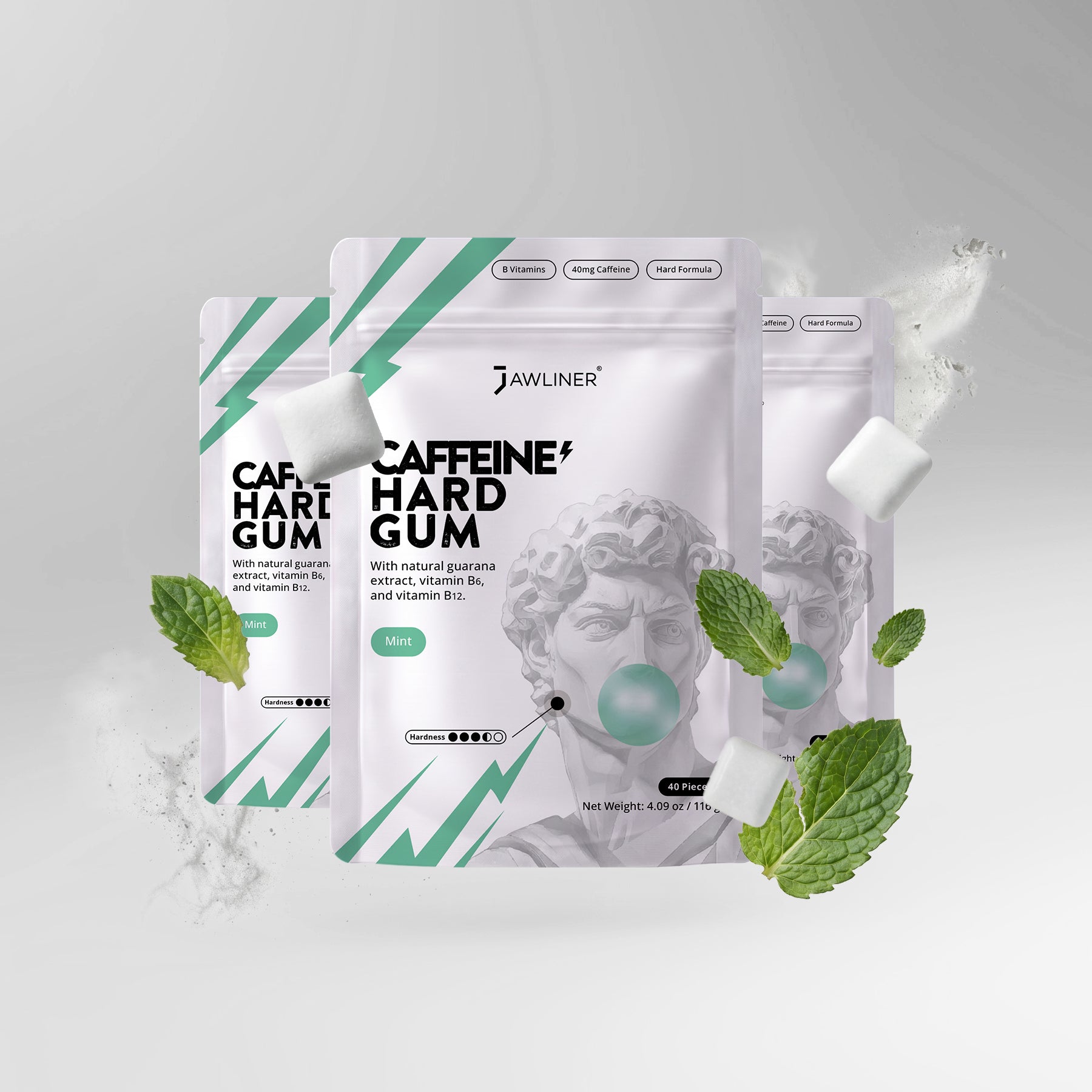
If you need a targeted energy boost before training or an important study session, JAWLINER® Chewing Gum Hard + Caffeine is a smart option: 40 mg of caffeine from natural guarana per piece, while you train your chewing muscles at the same time. Energy and jaw training in one.
How Long Does Caffeine Last?
This is the question most people ask – especially when they can’t fall asleep at night. The noticeable caffeine effects usually last 3–5 hours. But it takes much longer for caffeine to leave your body completely. So how long caffeine lasts depends on whether you mean the “kick” or how long caffeine stays in your system.
Caffeine Half-Life: The Most Important Number
The caffeine half-life is the time it takes for half of the caffeine you’ve consumed to be broken down. In healthy adults, it averages about 5 hours. But the range is wide: for some people it’s 2 hours, for others more than 10.
Here’s what that looks like in practice if you take 200 mg of caffeine at 2 p.m. (assuming a 5-hour half-life):
| Time of day | Time since intake | Caffeine in your body |
|---|---|---|
| 2 p.m. | 0 hours | 200 mg |
| 7 p.m. | 5 hours | 100 mg |
| Midnight | 10 hours | 50 mg |
| 5 a.m. | 15 hours | 25 mg |
So at midnight, you still have as much caffeine in your blood as you’d get from half a cup of coffee. Even if you feel tired, your sleep quality – especially deep sleep – can suffer. One study showed that caffeine taken as much as 6 hours before bedtime can cut sleep duration by more than an hour.
How Long Caffeine Lasts: Why It’s Different for Everyone
Whether caffeine affects you for 3 hours or 8 depends on several factors:
- Genetics: The CYP1A2 gene determines whether you’re a fast or slow caffeine metabolizer
- Smoking: Significantly speeds up metabolism – the half-life can be almost cut in half
- Hormones: The contraceptive pill can roughly double the half-life, and in late pregnancy it rises to as much as 15 hours
- Medication: Some antibiotics and antidepressants slow down the breakdown
- Liver health: Since the liver does most of the work, liver disease slows caffeine metabolism massively
- Tolerance: If you consume a lot of caffeine every day, you’ll feel weaker and shorter effects – but the breakdown itself hardly changes
Caffeine Metabolism: What Your Liver Does with Your Coffee
Around 95% of caffeine metabolism takes place in the liver. The enzyme CYP1A2 breaks caffeine down into three metabolites, which are still slightly active themselves:
- Paraxanthine (approx. 80%): Also has a stimulating effect and promotes fat burning
- Theobromine (approx. 12%): Dilates blood vessels and has a mild diuretic effect – you may know it from cocoa
- Theophylline (approx. 4%): Relaxes the muscles of the airways
These compounds are metabolized further and excreted via the kidneys. Only a tiny fraction leaves the body unchanged in urine.
Can You Speed Up Caffeine Metabolism?
In short: hardly. Drinking lots of water, exercising or going for a walk may help you feel better, but they do little to change how fast your liver breaks caffeine down. So the best strategy is to get your timing and dose right in the first place rather than trying to counteract it afterwards.
Caffeine Side Effects: When It Gets to Be Too Much
In moderate amounts, caffeine is unproblematic for most healthy adults. The EFSA considers up to 400 mg per day and up to 200 mg as a single dose to be safe. For comparison: a cup of filter coffee contains about 80–100 mg, an espresso around 60–80 mg and a can of energy drink (250 ml) about 80 mg.
Go beyond that and typical caffeine side effects can kick in:
- Nervousness, restlessness and jitters
- A racing or irregular heartbeat
- Trouble falling or staying asleep
- Stomach and digestive issues, heartburn
- Headaches and dizziness
- Anxiety, especially in sensitive people
People who should be particularly careful include pregnant and breastfeeding women (max. 200 mg per day), children and teenagers, and anyone with cardiovascular disease or high blood pressure. Also, don’t combine high doses of caffeine with alcohol – alcohol masks tiredness, caffeine masks drunkenness, and it’s easy to misjudge how you’re doing.
Caffeine Withdrawal: What Happens When You Quit?
If you consume caffeine regularly and suddenly stop, you’ll often notice it within 12–24 hours. Typical symptoms are headaches, fatigue, irritability and trouble concentrating. They usually peak after 1–2 days, and after about a week it’s generally all over. Tip: Cut back gradually over several days instead of going cold turkey.
How to Use Caffeine Effects to Your Advantage
Caffeine is a powerful tool if you use it wisely. These rules help you get the most out of it without ruining your sleep:
- Wait 60–90 minutes after waking up before your first caffeine. That way, you make use of your natural cortisol peak first.
- Take caffeine 20–30 minutes before you need it, for example before training or an exam.
- Set yourself a caffeine cut-off: Stop 6–8 hours before bedtime.
- Keep an eye on your daily total: Add up all your sources – coffee, energy drinks, pre-workout, cola.
- Match the dose to your goal: For a light focus boost, 40–80 mg is often enough; for intense sessions, many people use 3 mg per kilogram of body weight.
The Right Products for Your Energy Boost
- For focus and training with a jaw workout: JAWLINER® Chewing Gum Hard + Caffeine delivers 40 mg of caffeine per piece – easy to dose and ideal as a pre-workout.
- For a strong kick: SHESH 200 mg Caffeine Candy contains 200 mg of caffeine from green tea extract per piece – about as much as two cups of coffee, in a compact format for on the go. No more than 2 candies per day.
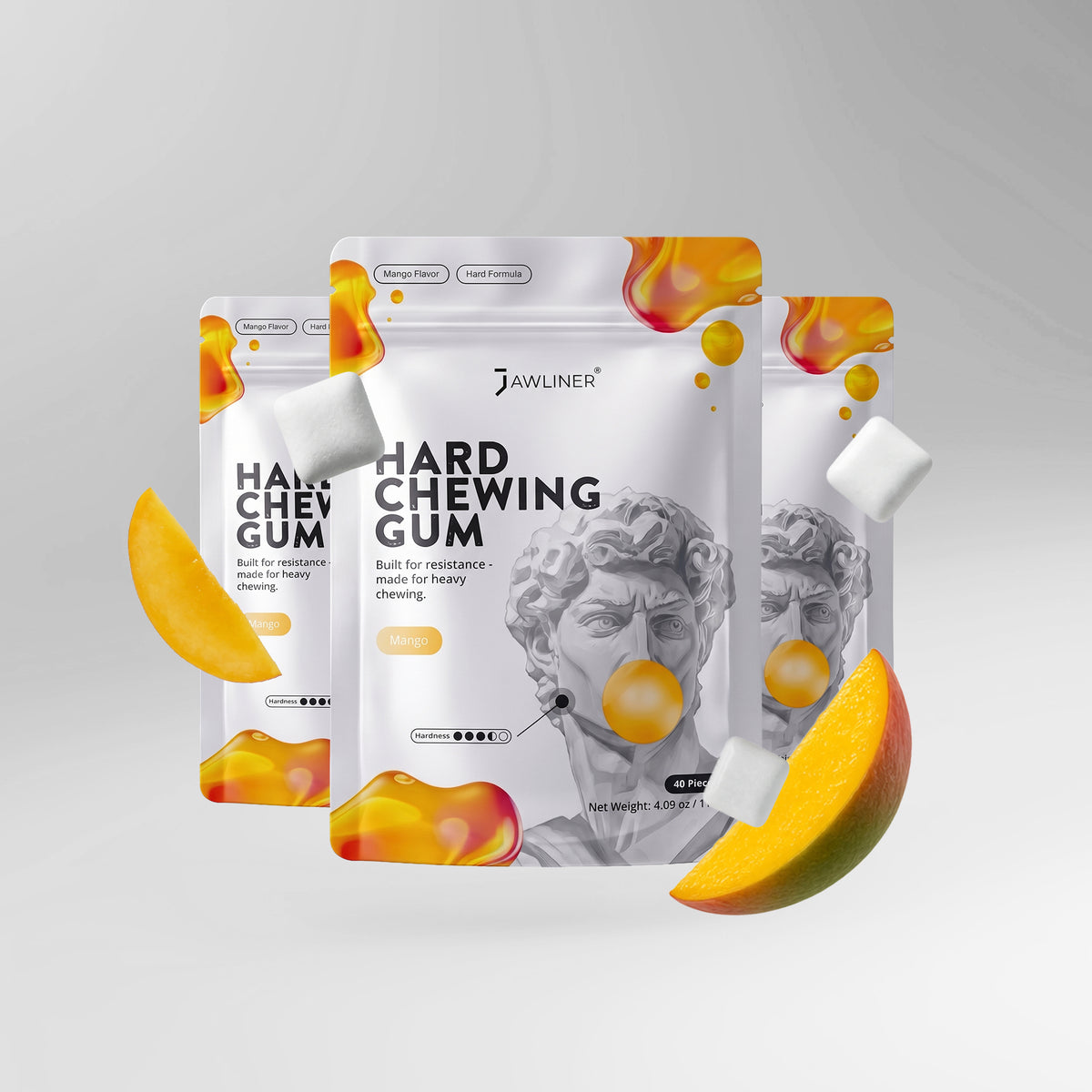
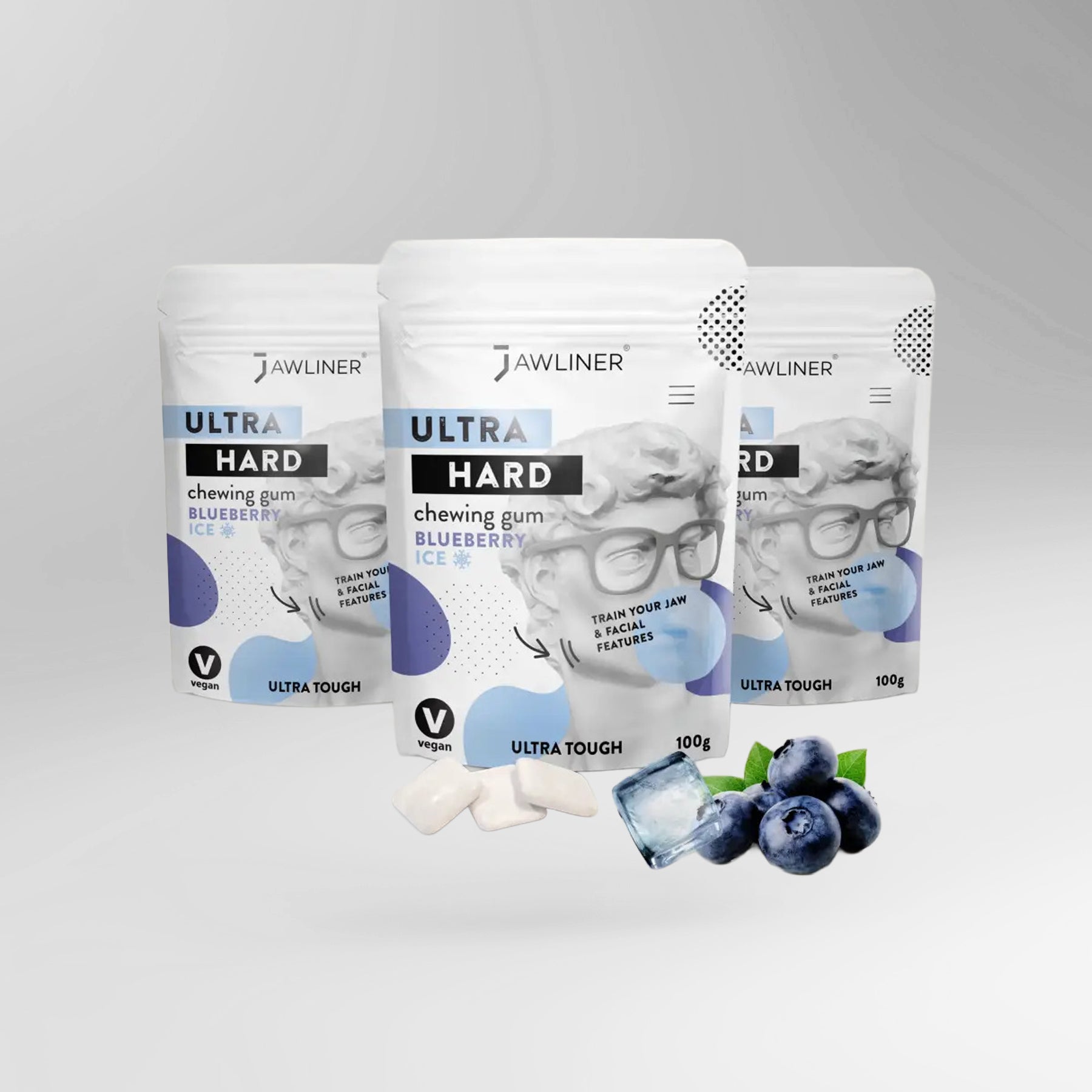
- For the afternoon and evening: Want to chew but skip the caffeine? JAWLINER® Chewing Gum Hard trains your chewing muscles with no caffeine at all. Looking for more resistance? Then go for JAWLINER® Chewing Gum Ultra Hard.
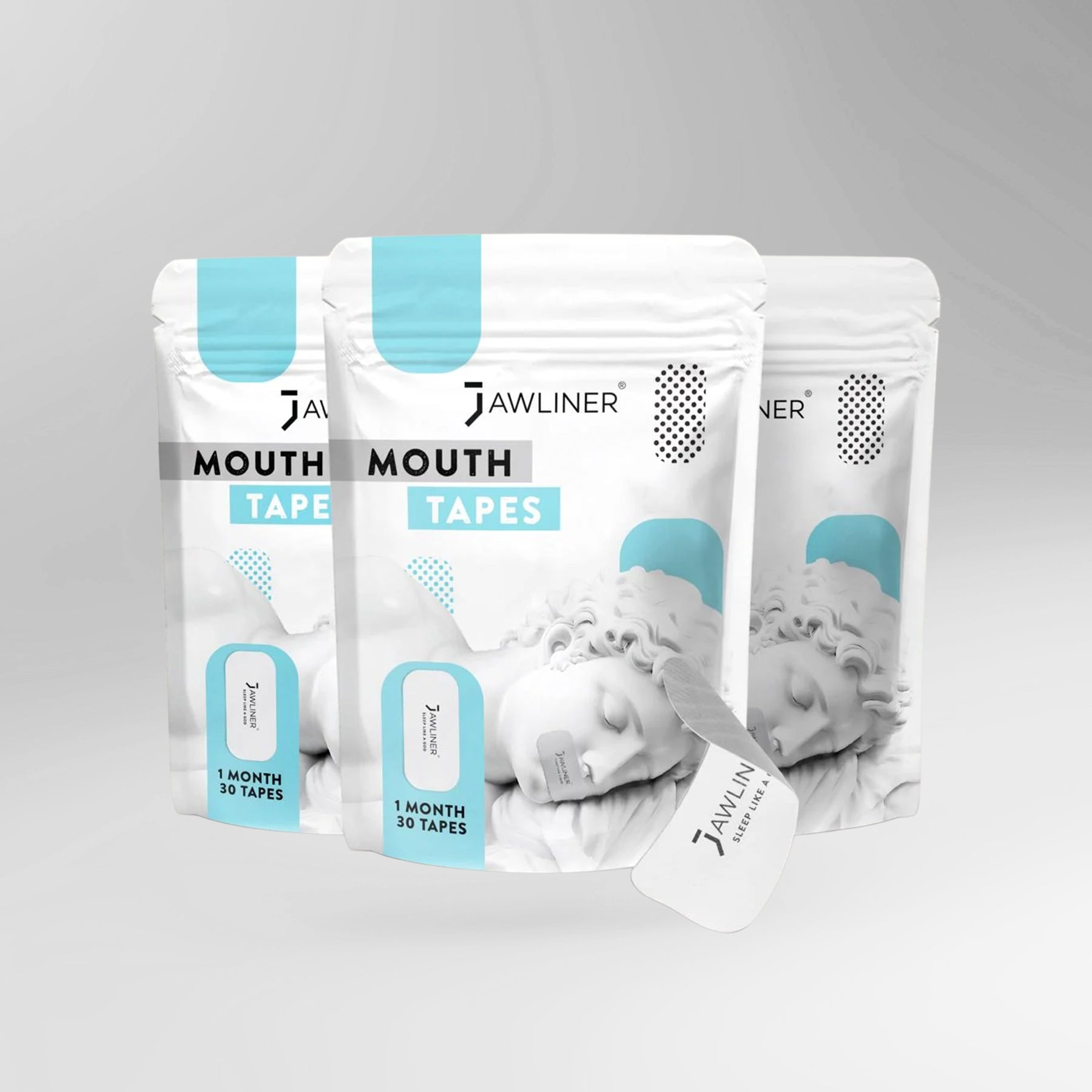
- For better sleep: If you breathe through your mouth at night, your recovery suffers even more. JAWLINER® Anti Snoring Mouth Tape supports nasal breathing while you sleep.

FAQ: Caffeine Effects
Note
This article is for general information only and is not a substitute for medical advice. If you have a pre-existing condition, are pregnant or take medication, talk to your doctor before consuming caffeinated products.


