





Does this sound familiar? You feel like you’re doing everything you can for your health: you exercise, watch what you eat, and maybe even meditate. And yet you constantly feel “on edge,” internally driven, and can’t really relax even when you’re in bed.
The answer often lies not in what you do, but in how you breathe. Your breathing is the most direct switch for your autonomic nervous system. While nasal breathing activates your “rest and digest” nerve, the parasympathetic nervous system, chronic mouth breathing constantly presses your body’s stress button: the sympathetic nervous system. The result? A creeping parasympathetic imbalance that sabotages your recovery.
The hardware hack for your nervous system
To activate the parasympathetic nervous system, you must stop mouth breathing especially where you have no conscious control: during sleep.
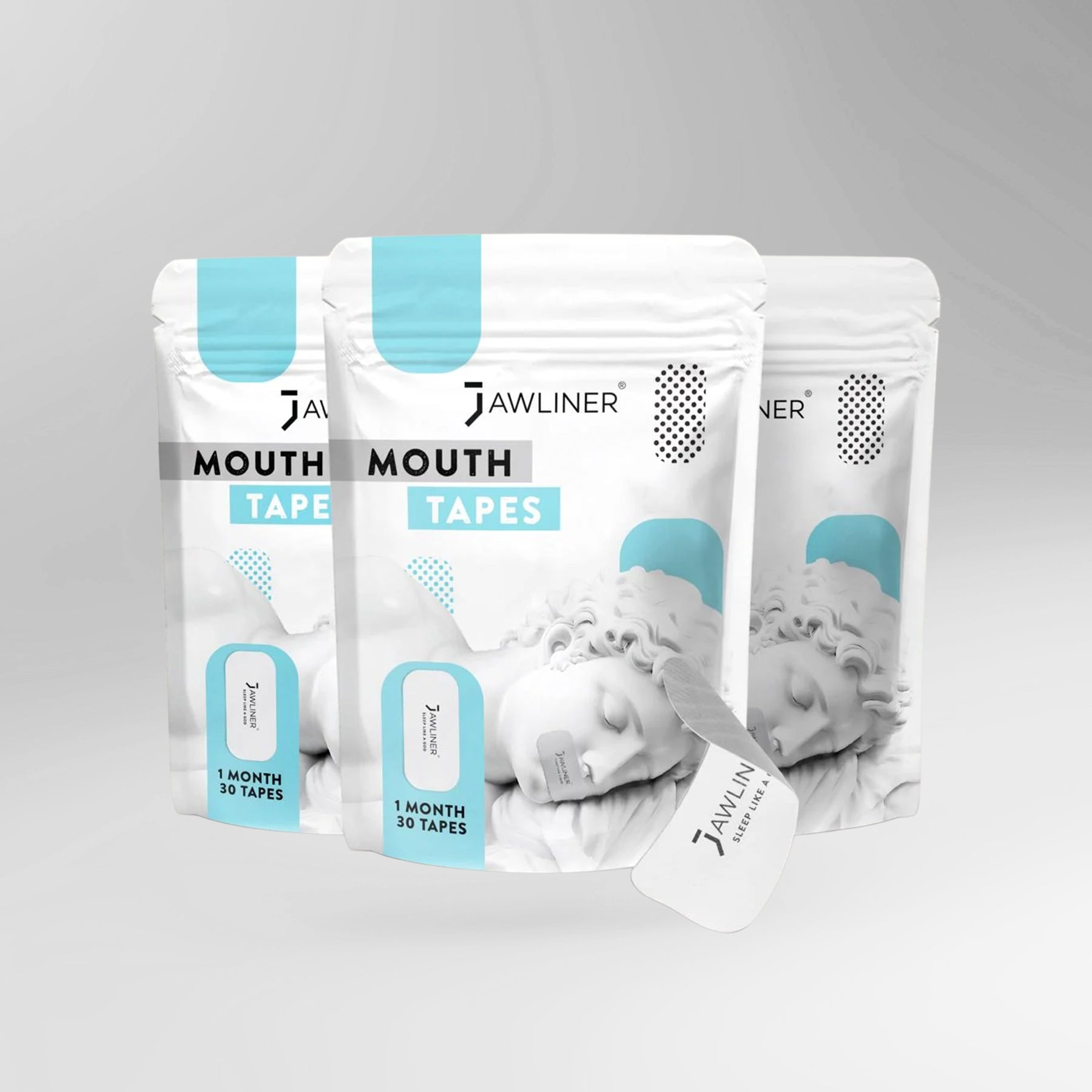
- Jawliner Mouth Tape: This simple tool is your mechanical shield against the sympathetic nervous system. It ensures that you consistently breathe through your nose at night, which stimulates the vagus nerve and puts your heart into rest mode.
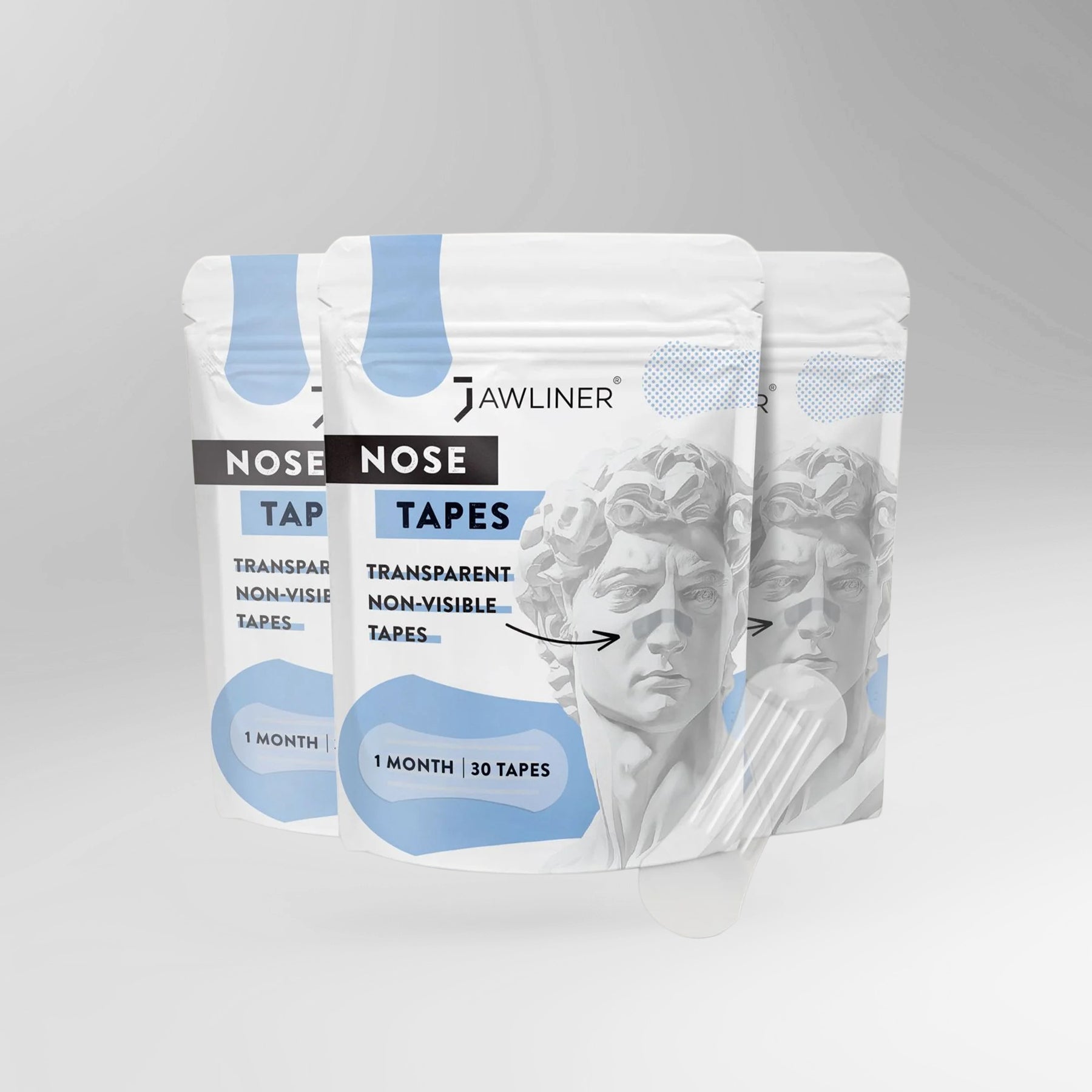
- Jawliner Nose Tape: It widens your nasal passages, reduces breathing resistance, and makes deep relaxation possible in the first place.
If you want to reduce your stress levels, combining both products is the most effective way to restore your system’s natural balance.
TL;DR: The Parasympathetic & Sympathetic Nervous Systems in a Nutshell
Only have time for three deep breaths right now? Here’s an overview of the most important points regarding the nervous system, chronic stress, and breathing:
- The Duo: The sympathetic nervous system is the gas pedal (stress/fight-or-flight), the parasympathetic nervous system is the brake (rest).
- The trigger: Mouth breathing activates the sympathetic nervous system, raises blood pressure, and drains your energy.
- The solution: Nasal breathing stimulates the vagus nerve, lowers your heart rate, and helps you activate the parasympathetic nervous system.
- The Biohack: Use Mouth Tape and Nose Tape to ensure nasal breathing at night and calibrate your nervous system while you sleep.
- Your Benefits: Less stress, better performance, and optimal regeneration of your organs.
The Invisible Switch in Your Body: Sympathetic and Parasympathetic Nervous Systems
Imagine your autonomic nervous system as the control system of a state-of-the-art sports car. It operates fully automatically in the background and regulates vital processes such as your heart function, digestion, and body temperature without you having to lift a finger.
Within this system, there are two key opposing forces constantly vying for dominance: the sympathetic and parasympathetic nervous systems.
- The sympathetic nervous system (The gas pedal): It is your survival mode. As soon as your brain detects stress or danger, the nerve cells send electrical signals through the nerve pathways. Your body switches to fight-or-flight mode. Your heart rate increases, your blood vessels constrict, and your sweat glands become active—you’re ready for action.
- The parasympathetic nervous system (the brake): It is the hero of regeneration. Its main task is to ensure rest, relaxation, and proper digestion. It is the part of the nervous system that replenishes your energy reserves and repairs the body after exertion.
True performance and serenity arise only when these two systems are in balance. But this is precisely where the problem of our modern daily lives lies: We are often stuck in a permanent stress response. Instead of finding the necessary rest in bed at night, the sympathetic nervous system remains active due to factors like poor air quality or mouth breathing. The result is a chronic parasympathetic imbalance that burns you out in the long run.

Mouth Breathing vs. Nose Breathing: The Direct Path to Sympathetic Stress
Why is the path the air takes so important for your nervous system? Quite simply: The way you breathe is a direct line to your brain.
When you breathe through your mouth, you usually use shallow chest breathing. For your system, this is an alarm signal. Your body thinks you’re in an emergency situation, which immediately triggers the sympathetic nervous system.
The consequences are measurable: Your heart beats faster, your blood pressure rises, and your blood vessels constrict. Chronic stress thus becomes your constant companion, even when there’s actually no external reason for panic.
The Vagus Nerve: Your Highway to Relaxation
Nasal breathing, on the other hand, is the natural “biohack” for activating the parasympathetic nervous system. When you breathe deeply through your nose, you stimulate the vagus nerve. This is the longest nerve of the parasympathetic nervous system and acts as a kind of highway of relaxation between your brain and your organs.
- Lowering heart rate: Via the vagus nerve, your heart receives the signal to beat more slowly and rhythmically.
- Blood pressure regulation: The nose produces nitric oxide (NO), which dilates blood vessels and thus helps lower blood pressure naturally.
- Rest for the nerve cells: Nasal breathing calms the electrical activity of your nerve cells, which helps you maintain composure even during hectic times.
In short: Breathing through the mouth triggers a survival response. Breathing through the nose allows your body to regenerate.
Parasympathetic imbalance and chronic stress
When the sympathetic nervous system becomes a constant factor and the parasympathetic nervous system no longer has a chance to take control, your entire system goes out of balance. Such a parasympathetic imbalance has almost become the norm today. We often simply call it everyday stress. But the biological consequences run deeper than just a “little stress.”
Your body sends clear signals when recovery is neglected:
- Digestive problems: Since the parasympathetic nervous system bears primary responsibility for the gut, imbalances often lead to bloating or a sluggish metabolism. Your body shuts down the energy needed for digestion because it is in (supposed) fight mode.
- Chronic tension: An overactive sympathetic nervous system keeps your muscle fibers tense. This often results in neck or jaw pain that doesn’t go away even after a night’s sleep.
- Elevated blood pressure & heart rate: When blood vessels remain constricted due to constant stress responses, your heart has to work extremely hard.
- Declining performance: If you don’t recover properly, you can’t perform at your best in training or at work. Your nerve cells need rest periods to process information and optimize signal transmission.
We often don’t notice these issues until they become chronic. Yet mouth breathing at night is one of the biggest contributors to this condition. You may be asleep, but your brain continues to receive the signal from improper breathing: “Danger! Don’t relax!”
Less everyday stress: How nasal breathing can activate your parasympathetic nervous system

So how can we turn the tables? The good news is: You don’t need years of meditation practice to calm your nervous system. The remote control for your parasympathetic nervous system is right on your face—it’s your nose.
Through targeted nasal breathing, you can activate the parasympathetic nervous system and signal to your brain in real time that there is no danger. The secret lies in the connection to the diaphragm. Nasal breathing promotes deep diaphragmatic breathing, which in turn mechanically “massages” the vagus nerve. This is one of the most effective techniques for creating immediate relaxation throughout the entire respiratory system and winding the system down.
The Sleep Hack for Your Balance
Especially at night, activating the parasympathetic nervous system is vital for your health. When you’re lying in bed, your body should be channeling all available resources into cell repair and mental processing.
This is where the Jawliner setup becomes a game-changer:
- The Mouth Tape prevents you from unconsciously falling back into stress-inducing mouth breathing. This keeps your nervous system in a regenerative state all night long.
- The Nose Tape ensures that airflow through the nose is maximized, which stabilizes the signal transmission for relaxation.
It’s the easiest way to reduce chronic daily stress: You train your nervous system while you sleep.
Here are specific techniques to help you regain control of your nervous system. The best part: You can do these exercises almost anywhere to immediately activate the parasympathetic nervous system.
Activating the Parasympathetic Nervous System: Exercises for Daytime and Nighttime
You don’t need hours of training to reprogram your breathing system from “stress” to “healing.” It’s the small, mindful moments that make the difference when it comes to daily stress.
The 4-7-8 Breathing Technique (The Classic for Deep Relaxation)
This method is like a sedative for your nerves. The prolonged exhalation immediately signals to your brain that you are safe.
- Breathe in deeply through your nose for 4 seconds.
- Hold your breath for 7 seconds.
- Exhale audibly through your mouth (or nose) for 8 seconds.
- Repeat: 4 times in a row. This is one of the most effective exercises for immediately slowing down the sympathetic nervous system.
Box Breathing (The Navy SEALs’ Technique)
When everyday stress strikes, “box breathing” helps restore focus and calm.
- Inhale for 4 seconds.
- Hold for 4 seconds.
- Exhale for 4 seconds.
- Hold for 4 seconds.
- This symmetry calms the nerve cells and brings the system back into balance.
Vagus Nerve Stimulation Through Humming
Since the vagus nerve runs directly through your larynx, you can stimulate it through vibration. Take a deep breath through your nose and produce a deep “hum” (like an “Mmmm”) as you exhale. The vibration in your chest and throat is a direct trigger for activating the parasympathetic nervous system.
The “Passive Exercise” for the Night
The most important “exercise” takes place while you sleep. After all, what good is the best relaxation during the day if you slip back into sympathetic mode at night due to mouth breathing?
- Use the Jawliner Mouth Tape to force nasal breathing.
-
The tape acts as a trainer for your respiratory system. While you sleep, your body learns that breathing through the nose is the primary way to prevent a long-term imbalance in the parasympathetic nervous system.
By incorporating these simple techniques into your day, you train your autonomic nervous system to return to a state of calm more quickly.
Conclusion: The remote control for your nervous system is in your nose
Your breathing is the operating system of your nervous system. Mastering nasal breathing gives your body permission to activate the parasympathetic nervous system and experience deep regeneration. Mouth breathing, on the other hand, traps you in an endless cycle of stress and sympathetic nervous system activation, which in the long term leads to a noticeable parasympathetic imbalance.
With the Jawliner Mouth Tapes and Nose Tapes, you automate this process. You no longer have to concentrate every second of the day. Your system learns, especially while you sleep, how true rest and genuine calm work. Invest in your breath control and find your way back to your natural balance to permanently stand up to everyday stress.
👉 Bring your nervous system into balance with the Jawliner Tape Bundle


