



You go to bed, close your eyes, wake up eight hours later, and still feel like you've been hit by a truck? Then you're not alone. According to data from the Robert Koch Institute (RKI), a significant portion of the population complains of lack of sleep or severe sleep disorders. In a society where health and performance are top priorities, poor sleep is the biggest obstacle to your life.
Today, we know that it's not just the length of sleep that counts, but above all the quality of sleep. This is where the topic of sleep hygiene comes in. If you have trouble falling asleep or suffer from insomnia, expensive sleeping pills usually don't help. We'll explain what really makes a difference.
Short on time? Your quick guide to restful sleep
Don't want to read the whole article? Here are the most important tips for improving your sleep hygiene right away:
- The “nose hack”: The most important rule for healthy sleep is nasal breathing. Use nose tapes and mouth tapes to mechanically prevent mouth breathing, snoring, and fatigue in the morning.
- 60-minute rule: Banish blue light (smartphones, TV) at least one hour before bedtime. It destroys your melatonin and makes it impossible to fall asleep.
- Cool darkness: Your bedroom should be a “cave.” The ideal temperature is 16–18 °C and absolute darkness for undisturbed sleep phases.
- No alcohol & late caffeine: Both ruin your REM sleep. Stop consuming caffeine at least 10 hours before bedtime.
- Routine beats motivation: Always go to bed at approximately the same time. Use a short journaling ritual or other evening routines to reduce stress.
The goal: to wake up feeling truly refreshed. If you control your sleep quality, you control your performance during the day.
Sleep better: Why nasal breathing is the most important rule for sleep hygiene
Many people invest a lot of money in a new mattress, but ignore what happens to their body at night. When you breathe through your mouth, your system goes into stress mode. The result: you hardly ever enter deep sleep, wake up during the night, and suffer from chronic fatigue.
One of the most effective tips for better sleep from modern sleep medicine is therefore to ensure nasal breathing. It filters the air, increases oxygen uptake, and signals to your nervous system: rest.
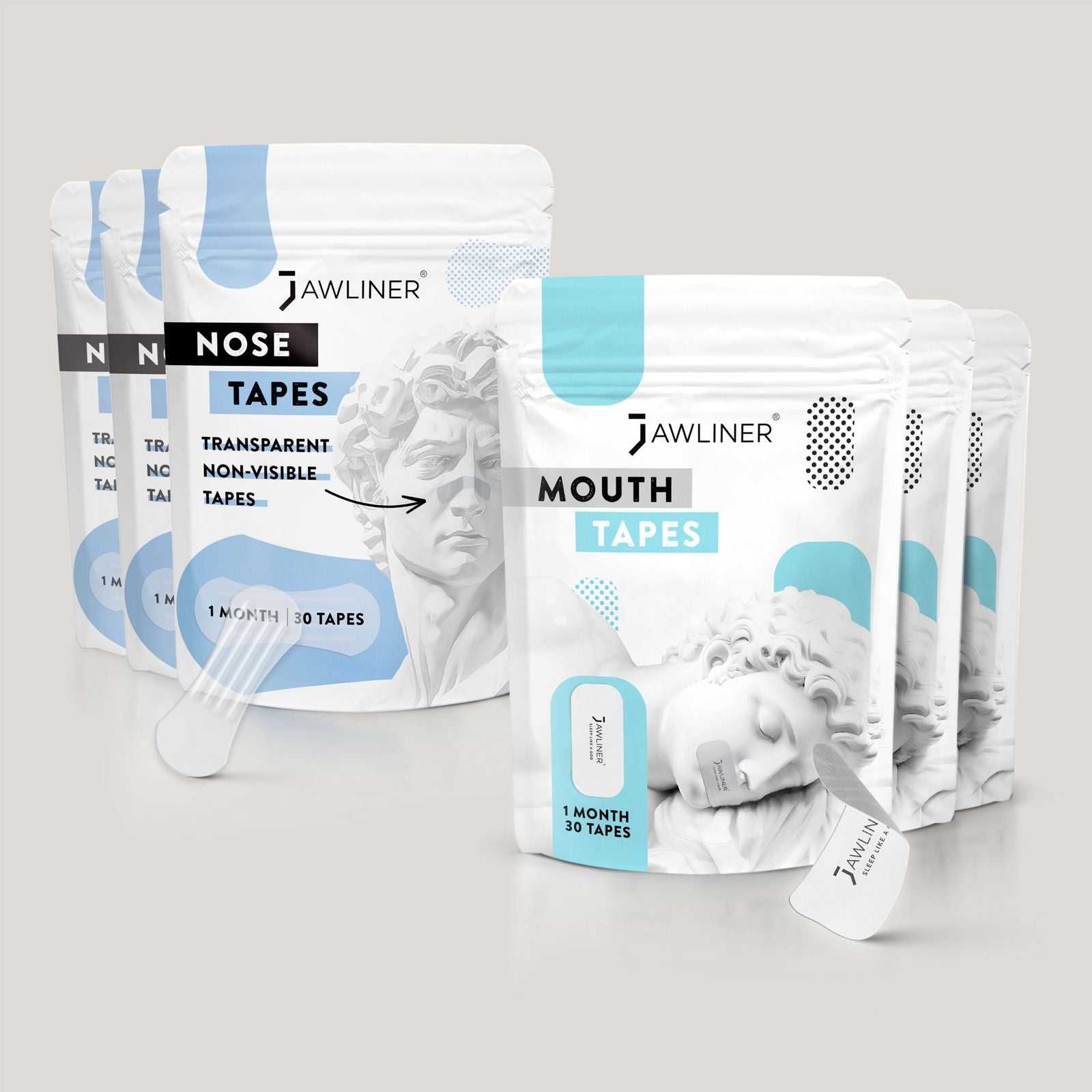
To immediately elevate your sleep quality to a new level, we have developed two mechanical aids that should be part of every evening routine:
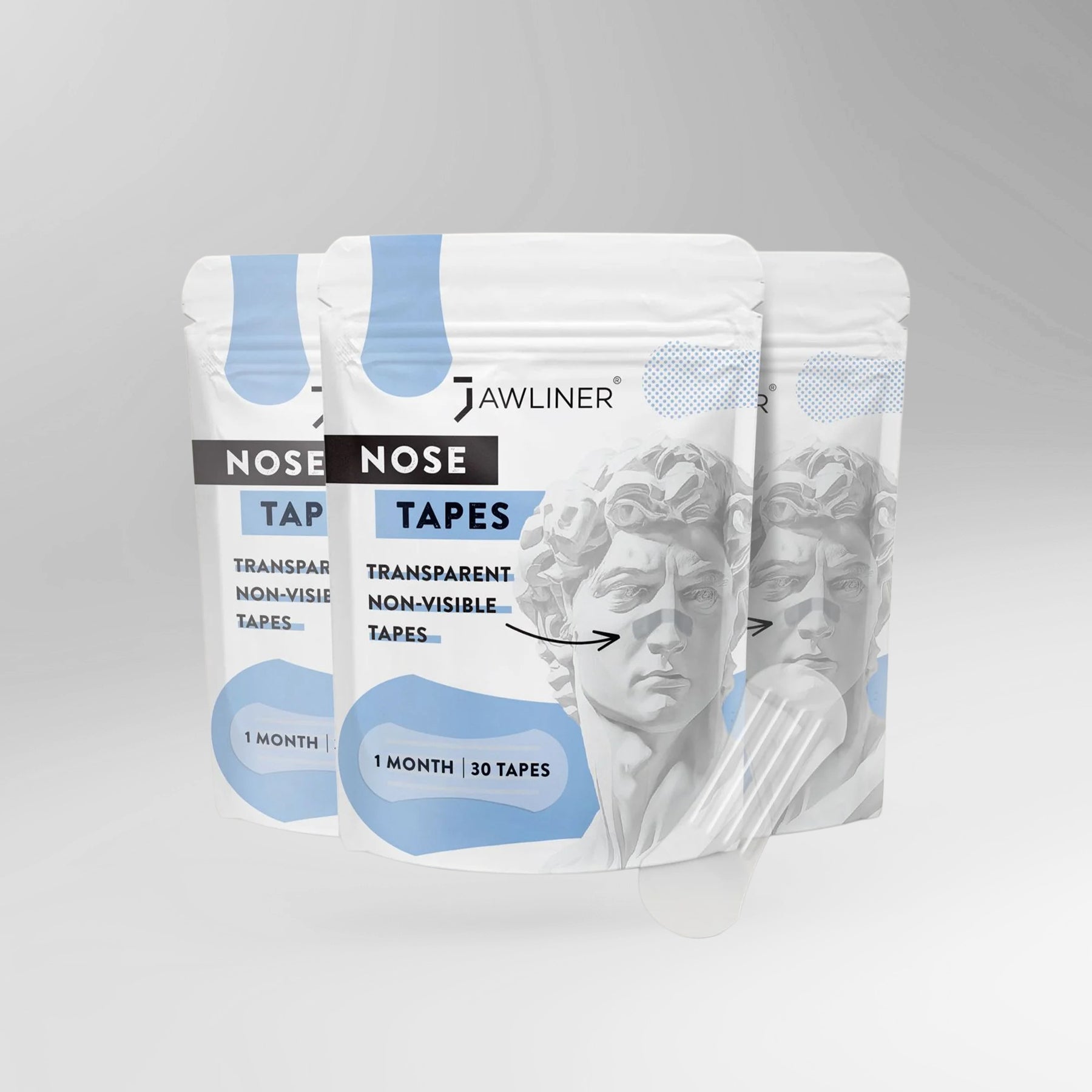
- Jawliner Nose Tape: It gently widens your nostrils from the outside. This allows you to breathe noticeably more air through your nose and reduces resistance when falling asleep.
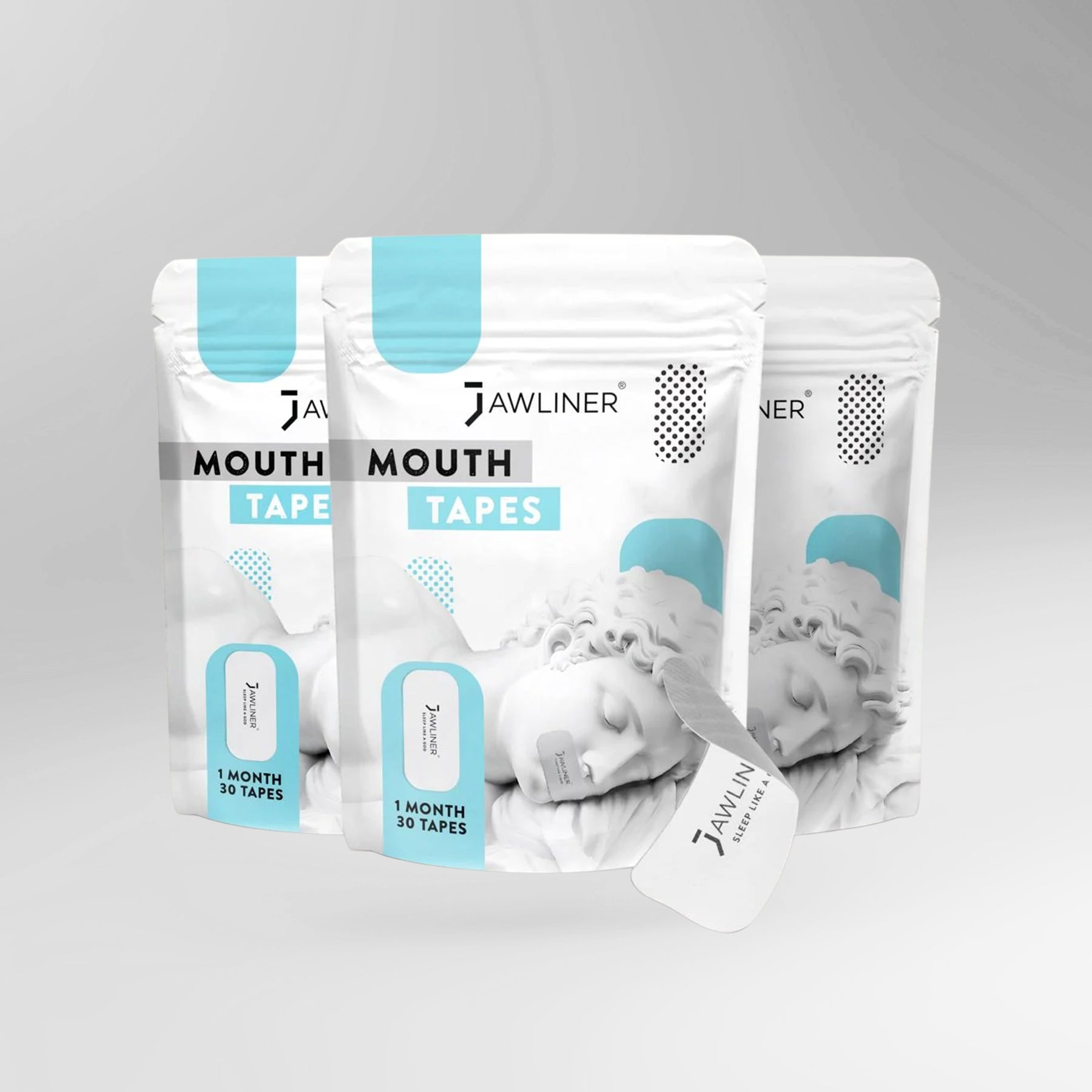
- Jawliner Mouth Tape: It ensures that your mouth remains closed. This prevents sleep disturbances caused by snoring and protects you from drying out the mucous membranes in your mouth.
The combination of nose and mouth tape is a game changer for healthy sleep. You force your body into maximum regeneration mode even before you turn off the light.

The most important sleep hygiene rules for maximum regeneration
In order for your body to truly relax, you need to control your environment. Many people underestimate how sensitive our sleep-wake cycle is to external stimuli. If you follow the rules below, you will greatly reduce your risk of sleep problems:
- Light and darkness: Your brain needs complete darkness to produce melatonin. Avoid blue light from smartphones or tablets at least one hour before bedtime. It signals to your brain that it is still daytime and suppresses the urge to sleep.
- The perfect sleeping environment: Your bedroom should be cool, dark, and quiet. The ideal bedroom temperature is between 16 and 18 °C. If the room temperature is too high, your core body temperature will not drop, which is essential for falling into a deep sleep. Briefly opening the window next to your bed to let in some fresh air often works wonders.
- Be careful with alcohol and heavy meals: Even though alcohol may seem to help you fall asleep faster, it is toxic to your sleep quality. It suppresses vital REM sleep and leads to frequent awakenings in the second half of the night. Caffeinated beverages should also be avoided after 2 p.m. so as not to disturb sleep.
- Peace and quiet in the room: Your bed is only for two things: sleep and intimacy. Banish electronic devices and work from this room to program your brain for relaxation.

The perfect evening routine: your step-by-step roadmap
A restful night's sleep doesn't start when you turn off the lights. Your body needs a transition phase to build up sleep pressure and shut down the nervous system. By going to bed at roughly the same time every day, you program your sleep rhythm for success.
Here's what an optimized evening routine looks like:
1. The “digital detox” phase (60–30 min. before bedtime)
Two to three hours before bedtime, you should minimize heavy meals and blue light. Turn off electronic devices or at least use blue light filters consistently. This prevents your brain from mistakenly thinking it's still daytime. A short walk in the fresh air can help clear your head.
2. Mental reset (20 min. before bedtime)
Many people suffer from insomnia because their thoughts keep racing in bed. Stress is one of the main causes of sleep problems.
- Tip: Write down your to-do list for the next day. This will help you shift your excitement from your head to paper and find inner peace as you drift off to sleep.
3. The Jawliner setup (10 min. before bedtime)
Go to your bedroom and get ready for the night. During this phase, you will establish your most important sleep ritual:
- Clean your face.
- Apply the nose tape to widen your airways.
- Secure the mouth tape to ensure nasal breathing. This is one of the most effective sleep hygiene rules to ensure that you not only sleep, but also regenerate with high quality. It also prevents you from waking up with a dry mouth in the morning.
4. Final relaxation in bed
Once you are lying in bed, put your cell phone away. Concentrate on your breathing. Thanks to the tapes, you will automatically breathe deeply into your abdomen through your nose. This triggers the vagus nerve and serves as a natural sleep aid that allows you to fall asleep gently without medication.
Tip: Nasal breathing not only improves your sleep. Nasal breathing also improves your overall performance during sports, training, or everyday life.

Tips for better sleep: Why your day determines your night
Many people affected by sleep disorders only look for solutions in bed. But according to modern sleep medicine, the foundation for healthy sleep is laid during the day. Your behavior between getting up and going to bed has a significant influence on how quickly you can fall asleep.
These are the most important factors for the day:
- Use daylight: Spend at least 15 to 30 minutes outdoors in the morning. Natural light stops melatonin production and synchronizes your sleep-wake cycle.
- Caffeine management: The half-life of caffeine is often underestimated. Drink your last coffee at least eight to ten hours before bedtime. Caffeine blocks the adenosine receptors in the brain and prevents you from feeling the necessary sleep pressure.
- Exercise at the right time: A walk or moderate exercise promotes well-being and sleep quality. However, avoid high-intensity exercise right before bedtime, as the adrenaline released makes it difficult to fall asleep.
- Avoid long naps: A short power nap is okay, but sleeping too long during the day reduces the sleep pressure for the night, which often leads to insomnia.
Conclusion: Your path to a life without sleep deprivation
In this article, we have learned that restful sleep is not a coincidence, but the result of disciplined sleep hygiene. While the right mattress and a dark bedroom form the basis, the mechanical component—nasal breathing—is the decisive lever for true regeneration.
If you follow the rules, avoid alcohol, and optimize your evening routine with our tapes, you should feel the difference after just one night. Not only will you improve your sleep phases, but you will also increase your long-term health and daily performance.
Stop putting up with fatigue and poor concentration. Sleeping is a skill that can be learned. Use this knowledge to finally get a good night's sleep again.
👉 Optimize your sleep quality now with the Jawliner Bundle consisting of Mouth Tape & Nose Tape!
Frequently asked questions about sleep hygiene
Here you will find more answers to specific problems that could be disrupting your sleep rhythm and how you can further optimize your behavior for healthy sleep.


